Skip to content
Most "complete fabric guides" list materials but skip the part you actually need: how to match your bag type, price point, and use case to the right material. You end up picking based on what sounds premium, then discover during sampling that "genuine leather" doesn’t work for a $25 retail tote or "water-resistant nylon" still tears at stress points.
The real question isn’t "what materials exist"—it’s "which material fits my product positioning, and what trade-offs am I accepting?" This guide reframes material selection as a decision tool, organized by the constraints that matter: formal vs. casual, structured vs. soft, daily-use vs. occasional-use, and cost-sensitive vs. premium positioning.
I work as a sales engineer at a handbag OEM factory. Every week I help buyers translate vague product visions into testable material specs. The hardest part isn’t explaining what PU leather is. It is getting buyers to ask the right questions before they commit to a sample order.
What is the biggest mistake buyers make when choosing handbag materials?
Buyers search for "what materials exist" when they actually need "which material fits my product positioning and target retail price." They pick based on a single parameter—like "100% cotton canvas" or "genuine leather"—without specifying the constraint that matters most.
The mistake happens because material names sound definitive but mean nothing without context. "Water-resistant PU" tells you nothing about coating thickness, expected use frequency, or whether it passes compliance testing for your target market. "Premium microfiber" doesn’t specify if it holds shape for a structured tote or drapes correctly for a slouchy hobo bag.
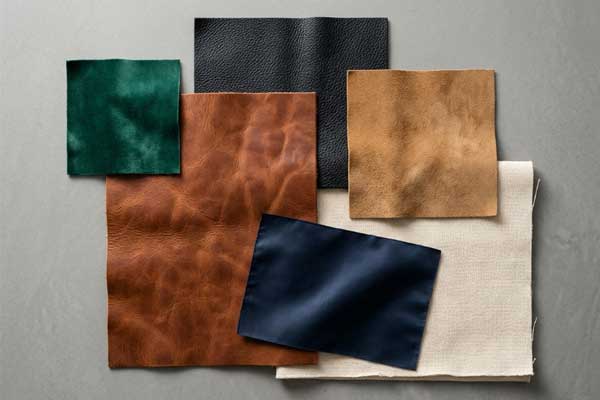
Buyers usually discover the mismatch during sampling, not material research. Someone orders a "luxurious but affordable" bag and gets frustrated when the factory delivers exactly what they specified—but it doesn’t match the unspoken expectation in their head. The problem isn’t the material. It is that they chose based on a feature (material name) instead of a constraint (retail price, use case, failure mode tolerance).
How do you match handbag materials to product positioning and price tiers?
Material selection starts with three decision variables: formal vs. casual, structured vs. soft, and cost-sensitive vs. premium positioning. These categories force you to clarify what trade-offs you are willing to accept before you look at material names.
Formal bags (briefcases, structured totes, professional crossbody bags) need materials that hold shape without sagging after repeated use. This usually means thicker PU leather with reinforced backing, coated canvas with internal stiffeners, or genuine leather with sufficient temper. The material must support hardware weight and strap tension without deforming at stress points.
| Material | Typical Use Case | Price Tier | Key Trade-Off |
|---|---|---|---|
| Saffiano PU | Structured totes, work bags | Mid-range ($30–60 wholesale) | Holds shape well but limited color depth |
| Coated Canvas | Casual totes, everyday carryalls | Budget to mid ($15–40 wholesale) | Durable but can look utilitarian |
| Top-Grain Leather | Premium briefcases, luxury handbags | High-end ($80+ wholesale) | Superior aging but requires maintenance |
| Microfiber Suede | Structured crossbody, evening bags | Mid to high ($40–70 wholesale) | Looks premium but shows scratches easily |
Casual bags (slouchy hobos, soft backpacks, beach totes) need materials that drape naturally and tolerate repeated folding. Stiff materials work against the design intent. Buyers often specify "soft PU leather" or "lightweight nylon" but forget to ask whether the material recovers shape after compression or whether it wrinkles permanently.
Cost-sensitive positioning (under $25 retail) limits you to materials where factories can source reliably at scale without quality variance. This usually means standard-weight PU, printed polyester, or basic cotton canvas. The constraint isn’t quality—it is consistency. A $15 wholesale tote cannot tolerate sampling three times because the first two batches had color mismatch or inconsistent stitching tension.
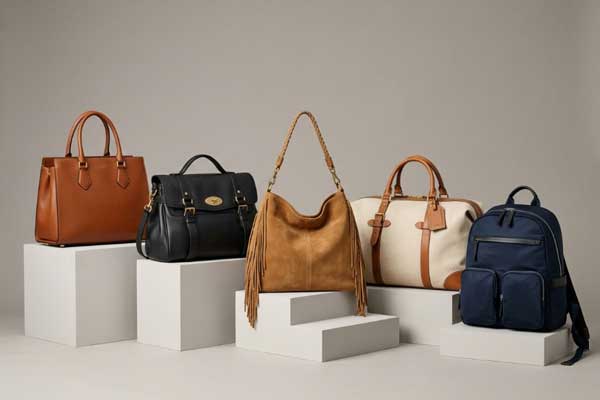
I have seen buyers struggle most when their product vision sits between two categories. They want a bag that "looks formal but feels casual," or "premium appearance at mid-range pricing." These projects work only when you accept that one variable will compromise. You can get formal structure at mid-range pricing, but you sacrifice genuine leather for high-quality PU. You can get soft drape with premium feel, but you lose structured silhouette or need internal support that adds cost.
Which materials work for structured bags that need to hold shape?
Structured bags require materials with enough body to resist sagging under load and sufficient stiffness to support hardware weight. The material alone rarely achieves this. Most structured bags use a combination of exterior material, internal reinforcement, and construction technique.
Saffiano-texture PU leather is the most common choice for mid-range structured totes and briefcases1. The embossed texture hides minor scratches and wear patterns better than smooth finishes2. Factories typically laminate it to a foam backing or cardboard stiffener to maintain shape. The trade-off is limited color depth—Saffiano embossing flattens color gradients, so you get solid, uniform tones rather than rich, layered hues.
Coated canvas works for casual structured totes and everyday carryalls, especially when buyers want a utilitarian or heritage aesthetic. The coating adds water resistance and makes the surface easy to wipe clean. The downside is weight. A fully structured canvas tote feels noticeably heavier than a PU equivalent, which matters for shoulder bags worn for extended periods.
Top-grain genuine leather3 is reserved for high-end briefcases and luxury handbags where buyers tolerate higher costs for aging characteristics. Leather develops patina over time4, which some buyers value and others see as wear. The critical question during material selection is not "does this use real leather" but "does my target customer expect visible aging, or do they expect the bag to look new after six months of use?"
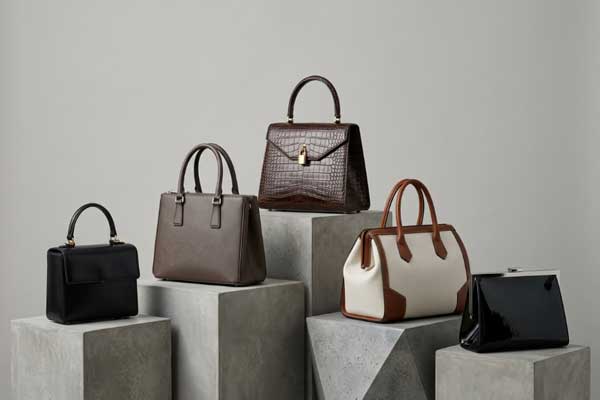
The hardest part of structured bag material selection is predicting how the material behaves at stress points—strap attachments, zipper gussets, bottom corners. A material can hold shape beautifully in the body panel but still fail where hardware pulls against the fabric or where the bag hits the ground repeatedly. Buyers discover this during sampling when they load the prototype with weight and carry it for a full day. If the bag distorts at attachment points or sags at the base, the issue is usually structural reinforcement, not material choice.
Structured bags also force a decision about internal support. Some factories achieve stiffness through material alone (thick, laminated PU). Others use thin exterior material with hidden cardboard or plastic inserts. The first approach adds cost but feels more premium. The second reduces material cost but risks collapse if the insert shifts or breaks during use.
Which materials work for soft, unstructured bags that need to drape naturally?
Soft bags need materials that fold and compress without permanent creasing, then recover their shape when hung or laid flat. Stiffness works against the design. Buyers often request "soft PU leather" without realizing that softness alone does not guarantee good drape—the material also needs weight and temper.
Lambskin-style PU is the most requested material for soft hobo bags, slouchy crossbody bags, and unstructured totes. It mimics the hand feel of genuine lambskin at a fraction of the cost. The challenge is that "soft PU" is not a single material. Factories source it in different thicknesses, backing types, and surface treatments. A 0.6mm PU feels butter-soft but tears easily at stress points. A 1.0mm version holds up better but loses the drape5 buyers expect.
Genuine nappa leather is the premium choice for soft bags where buyers want authentic aging and natural texture variation. It drapes beautifully and develops character with use. The trade-off is cost and supply chain complexity. Nappa leather pricing fluctuates based on hide availability6, and color consistency across production batches requires careful factory coordination.
Lightweight nylon and polyester work for casual soft backpacks, packable travel bags, and beach totes. These materials compress into small spaces and recover without wrinkling. The downside is a utilitarian appearance that limits styling options. Buyers who want soft drape with elevated aesthetics usually need to move to coated fabrics or blended textiles, which add cost.
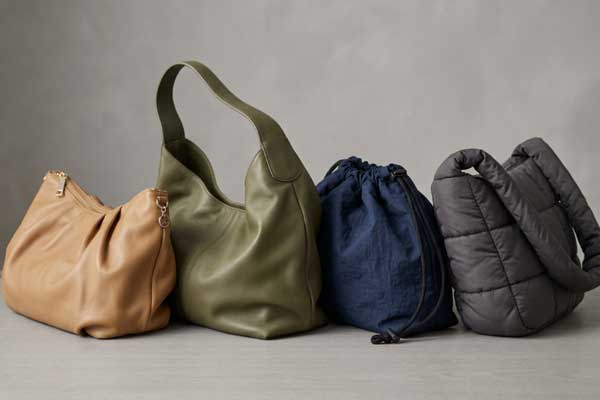
I have seen buyers misjudge soft bag materials most often when they evaluate samples while the bag is empty. A soft hobo bag looks perfect hanging on a hook. It looks completely different when you load it with a wallet, phone, keys, and water bottle, then carry it for two hours. The material stretches at strap attachment points. The body sags unevenly. The opening gapes or collapses depending on how you position the load.
The best way to evaluate soft bag materials during sampling is to overfill the prototype and carry it in realistic conditions. If the bag still looks intentional and not "broken in," the material works. If it looks stretched out or permanently deformed, you need either a heavier-weight version of the same material or a different construction approach (reinforced strap attachment, drawstring closure to control gaping, internal pocket structure to distribute weight).
Which materials work for daily-use bags that need to tolerate repeated wear?
Daily-use bags prioritize abrasion resistance, easy cleaning, and structural integrity at stress points over premium appearance. Buyers often want both—a bag that looks elevated but survives subway commutes, coffee spills, and repeated stuffing into overhead compartments. That combination works only at higher price points.
Oxford nylon and Cordura-type fabrics7 are the default choice for functional backpacks, commuter bags, and travel totes. These materials resist tearing, handle water exposure without permanent staining, and clean easily with a damp cloth. The trade-off is a technical, sporty aesthetic that does not suit formal or fashion-forward designs.
Coated canvas balances durability with casual style8. The coating protects against water and makes the surface wipeable. Uncoated canvas absorbs stains and requires more maintenance. Buyers choosing canvas for daily-use bags need to decide whether they want the coating on the exterior (more protective, slightly plastic-looking) or interior only (better hand feel, less water resistance).
Tumbled or pebbled PU leather works for daily-use bags positioned as accessible luxury—office totes, everyday crossbody bags, casual backpacks. The texture hides scratches and wear marks better than smooth PU. The downside is that heavily textured surfaces limit color options and make it harder to achieve clean, minimalist aesthetics.
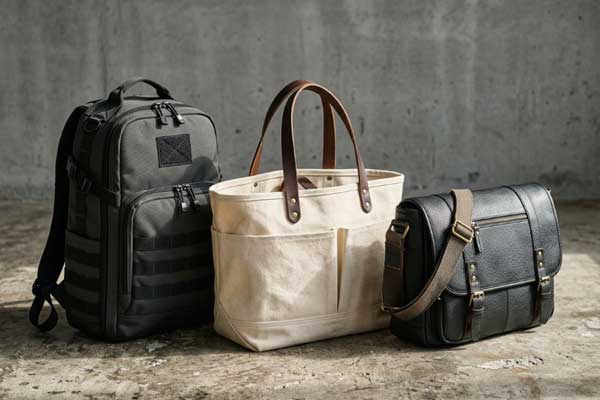
The critical question for daily-use bags is not "which material is most durable" but "which failure mode matters most to my customer." Does the bag fail when the exterior surface scratches? When the strap tears at the attachment point? When the zipper pull snaps off? When the lining stains from a leaking pen?
In my experience coordinating samples, buyers fixate on exterior material durability but underestimate how often daily-use bags fail at non-material components. A bag made from indestructible Cordura still fails if the zipper jams after two weeks or the strap hardware bends under load. Material selection for daily-use bags must include a conversation about hardware quality, stitching reinforcement, and lining fabric—not just exterior surface durability.
Which materials work for occasional-use bags like evening clutches and event bags?
Occasional-use bags optimize for appearance over durability. Buyers can use delicate materials and decorative finishes because the bag will not endure daily wear, repeated loading and unloading, or exposure to weather.
Satin, velvet, and metallic PU are the most common choices for evening clutches and formal event bags. These materials look premium under indoor lighting and photograph well. They scratch, stain, and crush easily, but that matters less when the bag is carried only a few times per year.
Embellished fabrics (sequins, beading, embroidery) work only for occasional-use bags where buyers accept fragility as part of the design. Sequins snag on clothing and shed with handling9. Beading adds weight and makes the bag uncomfortable for extended wear. Embroidery can pucker or distort if the base fabric stretches under load.
Exotic-texture embossed PU (crocodile, python, ostrich patterns) gives occasional-use bags a luxury appearance without genuine exotic leather costs or compliance complications. The embossing looks convincing from a distance but does not feel like real exotic leather when touched. Buyers positioning these bags as high-end accessories need to decide whether their customers will handle the product before purchasing or buy based on online photos alone.
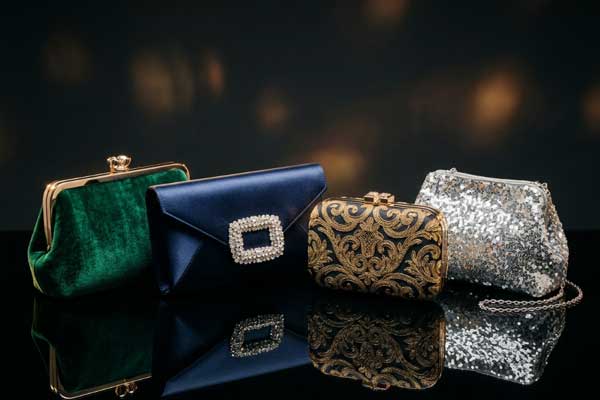
I have seen buyers struggle most with occasional-use bags when they underestimate how rough "occasional use" actually is. An evening clutch carried to one formal event per month still gets shoved into a coat check pile, tossed onto a car seat, and gripped tightly in a crowded venue. If the material crushes, the metallic finish flakes, or the embellishments snag, the bag looks damaged after the first use.
The best approach for occasional-use bag materials is to sample in realistic conditions before committing to production. Take the prototype to an actual event. Carry it for three hours. Set it on different surfaces. Let other people handle it. If it still looks intentional and not worn, the material works. If it shows visible damage after one realistic use, you need a more durable version of the material or a different construction approach (protective lining, reinforced edges, sturdier closure hardware).
How do you specify material requirements when requesting samples from a factory?
Most buyers send vague requests—"I want genuine leather" or "something water-resistant"—and get frustrated when the factory delivers a sample that technically meets the spec but does not match their vision. The problem is not miscommunication. It is that material names alone do not contain enough information to predict performance, appearance, or cost.
Effective material specification includes five constraints: appearance goal, price target, use case, acceptable failure mode, and reference point. "I want a structured work tote that retails for $50, uses PU leather that looks formal but hides scratches, tolerates daily subway commutes, and references the aesthetic of [specific competitor product]" gives the factory enough information to recommend material options and explain trade-offs.
Appearance goal clarifies the aesthetic you are targeting—formal, casual, utilitarian, luxury, minimalist, decorative. This helps the factory narrow material options before discussing performance requirements. A buyer who says "formal work bag" will get different material recommendations than one who says "casual weekend tote," even if both specify "PU leather."
Price target forces early trade-off conversations. If you say "I want genuine leather but my target wholesale price is $20," the factory can immediately explain that combination is not feasible and suggest alternatives (high-quality PU, microfiber, leather-look coated canvas) before wasting time on samples that exceed budget.
Use case defines durability requirements. "Daily commuter bag" signals the material needs abrasion resistance, easy cleaning, and structural integrity at stress points. "Evening clutch" signals appearance matters more than durability. Factories allocate material thickness, backing reinforcement, and hardware quality differently based on expected use frequency.
Acceptable failure mode clarifies which type of wear matters most to your customer. Some buyers care most about surface scratches (choose textured finishes). Others care about color fading (choose solution-dyed materials10). Others care about strap attachment failure (focus on reinforcement and hardware, not exterior material). Factories cannot optimize for every failure mode simultaneously, so you must prioritize.
Reference point eliminates ambiguity. Send photos of competitor products or retail examples that match your vision. Factories can evaluate texture, sheen, drape, and color depth from images more reliably than from verbal descriptions. "I want soft PU leather" means something different to every factory. "I want PU leather that looks like this product photo" creates alignment.
-
"Faux Leather Handbags Market Size, Share & Forecast by …", https://www.theinsightpartners.com/reports/faux-leather-handbags-market. Industry reports on handbag material usage patterns would support claims about which materials dominate specific market segments, though such data may reflect regional manufacturing trends rather than global patterns. Evidence role: statistic; source type: research. Supports: market data on material preferences in mid-range handbag manufacturing. Scope note: Market share data may be region-specific or reflect supplier surveys rather than comprehensive industry statistics ↩
-
"Influence of Surface Texturing on the Dry Tribological Properties of …", https://pmc.ncbi.nlm.nih.gov/articles/PMC10346576/. Materials science research on surface topography demonstrates how textured finishes diffuse light and reduce the visual contrast of surface defects compared to smooth surfaces. Evidence role: mechanism; source type: research. Supports: the optical and physical mechanisms by which textured surfaces reduce scratch visibility. ↩
-
""Grades of Leather" are a Myth. Full Grain, Top …", https://www.reddit.com/r/BuyItForLife/comments/8nn4kf/grades_of_leather_are_a_myth_full_grain_top_grain/. Leather industry standards define top-grain leather as the second-highest quality grade, where the outermost layer is sanded to remove imperfections, distinguishing it from full-grain leather which retains the complete surface. Evidence role: definition; source type: education. Supports: the industry-standard definition and characteristics of top-grain leather. ↩
-
"What Is Leather Patina? Learn Everything About Aged Leather", https://www.carlfriedrik.com/magazine/leather-patina?srsltid=AfmBOoqpORYzCVaJhnyYso9O6gwSbX8El6vxg17YYIStMzNtnqbdQzFu. Research on leather chemistry explains that patina develops through oxidation of tannins and oils, combined with mechanical wear that compresses surface fibers and creates color variation. Evidence role: mechanism; source type: research. Supports: the chemical processes that cause color and texture changes in leather over time. ↩
-
"Mechanical Parameters of Leather in Relation to Technological …", https://pmc.ncbi.nlm.nih.gov/articles/PMC9331295/. Materials testing of synthetic leathers demonstrates that tear strength increases with substrate thickness, while drape and flexibility decrease due to higher bending stiffness in thicker materials. Evidence role: mechanism; source type: research. Supports: how material thickness affects tear resistance and drape characteristics in polymer-based synthetic leathers. Scope note: Specific thickness-to-performance ratios vary by PU formulation and backing material ↩
-
"[PDF] Industry and Trade Summary: Hides, Skins, and Leather", https://www.usitc.gov/publications/docs/pubs/industry_trade_summaries/pub3015.pdf. Leather industry trade organizations report that hide prices fluctuate with livestock production cycles, meat industry demand, and international trade conditions, creating price volatility for finished leather products. Evidence role: general_support; source type: institution. Supports: the supply-driven price volatility in leather markets. ↩
-
"CORDURA® – Classic Fabric", https://cordura.com/classic-fabric. Cordura is a trademarked collection of durable textiles made from air-textured nylon fibers, originally developed for military applications and known for exceptional abrasion and tear resistance compared to standard nylon. Evidence role: definition; source type: encyclopedia. Supports: the technical specifications and characteristics that define Cordura fabric. Scope note: Cordura is a brand name, so generic ‘Cordura-type’ fabrics may vary in actual performance specifications ↩
-
"Water Repellent Coating in Textile, Paper and Bioplastic Polymers", https://pmc.ncbi.nlm.nih.gov/articles/PMC11479018/. Textile engineering research shows that polymer coatings on canvas substrates significantly improve water resistance and abrasion resistance while maintaining the fabric’s flexibility and appearance. Evidence role: general_support; source type: research. Supports: the protective properties imparted by coating treatments on canvas textiles. ↩
-
"The Complete Guide to Sequin Fabric for Wholesale Buyers", https://www.mh-chine.com/blog/products/sequins-fabric. Textile construction guides explain that sequins attached by single-point stitching or adhesive are vulnerable to mechanical stress, with thread breakage or adhesive failure causing detachment during abrasion or snagging. Evidence role: mechanism; source type: education. Supports: the structural vulnerabilities of sequin attachments that lead to snagging and detachment. ↩
-
"[PDF] Dyeing and Colorfastness in Fabrics – Oregon State University", https://ir.library.oregonstate.edu/downloads/pc289j22n. Textile manufacturing references define solution-dyeing as adding pigment to synthetic fiber polymer before extrusion, which produces superior colorfastness compared to surface dyeing because color is integral to the fiber structure. Evidence role: definition; source type: education. Supports: the technical process and colorfastness benefits of solution-dyeing. ↩