Skip to content
You’ve locked in your target retail price, finalized your brand positioning, and now you’re ready to source your first bulk order of custom bags. Then your factory contact asks: "Do you want OEM or ODM?" Most buyers freeze at this question because they assume it’s just a technical manufacturing term. It’s not. This decision directly determines who owns your product molds, how much cash you need upfront, and whether you can switch suppliers for future orders without redesigning everything from scratch. Choose wrong, and you’ll either blow your startup budget on tooling fees or lock yourself into a single supplier with zero negotiating power for reorders.
OEM (Original Equipment Manufacturing) means you pay upfront tooling fees ($2,000–$8,000 per style)1 to own the production molds, giving you full design control and supplier flexibility. ODM (Original Design Manufacturing) eliminates tooling costs by using factory-owned molds, but you pay higher per-unit prices and surrender exclusive design rights — the factory can legally sell similar products to your competitors unless you negotiate mold exclusivity.
When I walk clients through their first bulk order quote, about 70% ask me to "just skip the tooling fee and start production faster." They don’t realize that tooling fee isn’t a service charge — it’s a capital asset you’re buying. The moment you pay that $5,000 mold fee in an OEM contract, you own a reusable production tool that any qualified factory can operate2. In ODM, you’re renting access to a factory’s existing mold library, which means your cost structure and supplier options look completely different. Let me break down exactly how these two models reshape your procurement strategy, cash flow requirements, and long-term brand control.
What Do OEM and ODM Actually Control in Bag Manufacturing?
Most buyers think OEM means "I send designs, factory builds them" and ODM means "factory has ready-made designs I can rebrand." That’s dangerously incomplete. Both models involve custom development, sampling, and bulk production. The real difference is who owns the structural molds and design IP after your first order ships.
In practical terms: OEM gives you a portable production asset (the mold), while ODM gives you faster market entry but creates supplier dependency for all future orders.
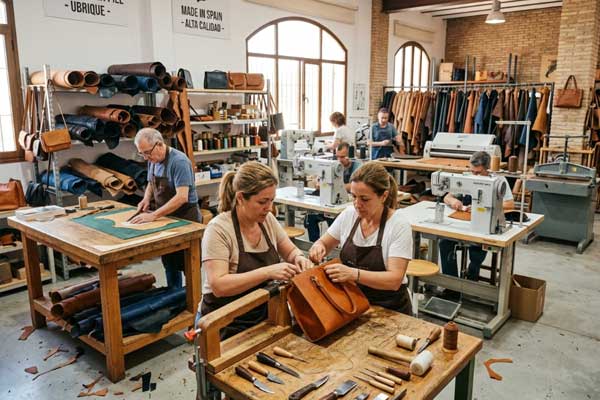
Here’s what actually happens in each model from RFQ to reorder:
OEM (Original Equipment Manufacturing) — You Buy the Mold, You Own the Roadmap
You provide technical specifications or design sketches. The factory engineers your design into production-grade technical packs (pattern cutting diagrams, material specs, hardware BOM). You approve samples. Then you pay a one-time tooling fee — typically $2,000–$8,000 depending on bag complexity, hardware customization, and mold count — to manufacture the metal stamps, cutting dies, and assembly jigs specific to your design.
Once that tooling is paid for and production completes, you own those molds. Legally. Physically. You can request the factory ship them to you, store them in their warehouse for future orders, or take them to a different factory if you decide to switch suppliers. This is the critical asset most first-time buyers don’t recognize: you’re not paying for manufacturing service, you’re buying a reusable production tool.
In the three OEM projects I managed last year, clients who understood mold ownership negotiated 15–22% lower per-unit costs on their second and third reorders3 because they eliminated duplicated tooling investment. One activewear brand I worked with took their backpack molds to two different factories for competitive bidding on their second production run — they saved $8,400 on a 3,000-unit order4 simply because they controlled the tooling.
ODM (Original Design Manufacturing) — Factory Owns the Mold, You Rent the Design
You select designs from the factory’s existing product catalog or request modifications to their standard molds (different fabric, logo placement, zipper style). The factory already owns the base structural molds, so you skip the upfront tooling investment. Sampling happens faster because they’re adapting proven patterns rather than engineering from scratch.
But here’s the cost structure most buyers miss: your per-unit price embeds the factory’s amortized tooling cost. They’re recovering their mold investment across multiple clients who use the same base design. You’ll typically pay 12–18% more per unit compared to equivalent OEM pricing, and you have zero control over reorders.
If you want to reorder, you must return to the original factory because they own the molds. If you want to switch suppliers, you’re starting from scratch with new tooling fees at the new factory. And critically: unless you negotiated an exclusive mold-use agreement (which most ODM factories refuse or charge premiums for), the factory can legally sell identical or similar bag designs to your direct competitors.
I had a client last year who launched a minimalist leather tote through ODM to test market demand quickly. The design sold well. Six months later, they found the same structural design — different logo, same dimensions, nearly identical hardware — being sold by two competitors who also sourced from the same ODM factory. No contract violation occurred. The factory owned the design. My client had zero legal recourse.
How Does Tooling Cost Allocation Change Your Budget Structure?
This is where most RFQ conversations derail. Buyers see "tooling fee" on an OEM quote and assume it’s an unnecessary markup. It’s not. It’s the single largest variable determining your total cost of ownership across your product lifecycle.
The real question isn’t "which model is cheaper" — it’s "how many units do I need to order before OEM’s upfront tooling investment becomes more cost-effective than ODM’s per-unit premiums?"
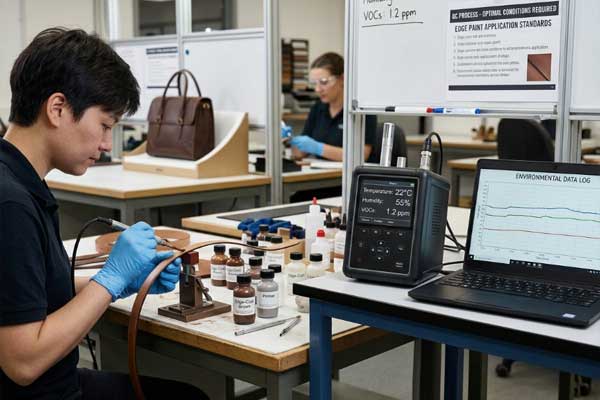
Let me show you the actual math from a recent backpack project:
OEM Cost Structure Example
Style: Custom 20L backpack with branded hardware
MOQ: 500 units
Tooling fee (one-time): $4,500
Per-unit cost: $18.00
First order total: $4,500 + (500 × $18.00) = $13,500 ($27.00/unit including tooling)
Second order (1,000 units): 0 + (1,000 × $18.00) = $18,000 ($18.00/unit, no tooling)
Third order (1,000 units): 0 + (1,000 × $18.00) = $18,000 ($18.00/unit)
Total across 2,500 units: $49,500 ($19.80/unit average)
ODM Cost Structure Example
Style: Comparable 20L backpack from factory catalog with logo customization
MOQ: 500 units
Tooling fee: $0
Per-unit cost: $21.50 (factory amortizing their tooling across multiple clients)
First order total: 0 + (500 × $21.50) = $10,750 ($21.50/unit)
Second order (1,000 units): 0 + (1,000 × $21.50) = $21,500 ($21.50/unit)
Third order (1,000 units): 0 + (1,000 × $21.50) = $21,500 ($21.50/unit)
Total across 2,500 units: $53,750 ($21.50/unit average)
Breakeven point: At 2,500 cumulative units, OEM saves you $4,250 and gives you mold ownership for future orders.
But here’s what the spreadsheet doesn’t show: In OEM, you can take those molds to three different factories for competitive quotes on order #3. In ODM, you’re locked to the original factory — and they know it. When my client tried to negotiate lower pricing on their third ODM reorder, the factory increased per-unit cost by $0.80 because they understood the client couldn’t easily switch suppliers without redesigning and retooling elsewhere.
When ODM Actually Makes Financial Sense
ODM isn’t inherently worse. It’s optimized for different risk profiles:
- Market testing with limited capital: If you’re validating demand with a single 500-unit test batch and might pivot the entire product line, paying $4,500 for molds you may never reuse is wasteful.
- High SKU velocity, low reorder volume: If you’re launching 12 different bag styles per season with small reorder quantities, OEM tooling costs multiply dangerously fast ($4,500 × 12 styles = $54,000 upfront).
- Compressed time-to-market requirements: ODM sampling typically takes 7–10 days vs. 15–25 days for OEM5 because factories adapt existing patterns rather than engineering new structures.
But if your business model depends on reordering the same core styles with incremental improvements (most successful bag brands do), OEM’s cost structure protects you long-term.
Who Actually Owns Your Design IP and Why It Matters for Supplier Negotiations?
Here’s the intellectual property reality most factory contacts won’t clarify upfront: In ODM, you’re licensing a design that the factory can sell to other buyers unless you pay for exclusivity. In OEM, you own the design IP and the physical molds that produce it6.
This isn’t just a legal technicality — it directly determines whether you can negotiate competitive pricing on future orders or whether you’re permanently locked to a single supplier.
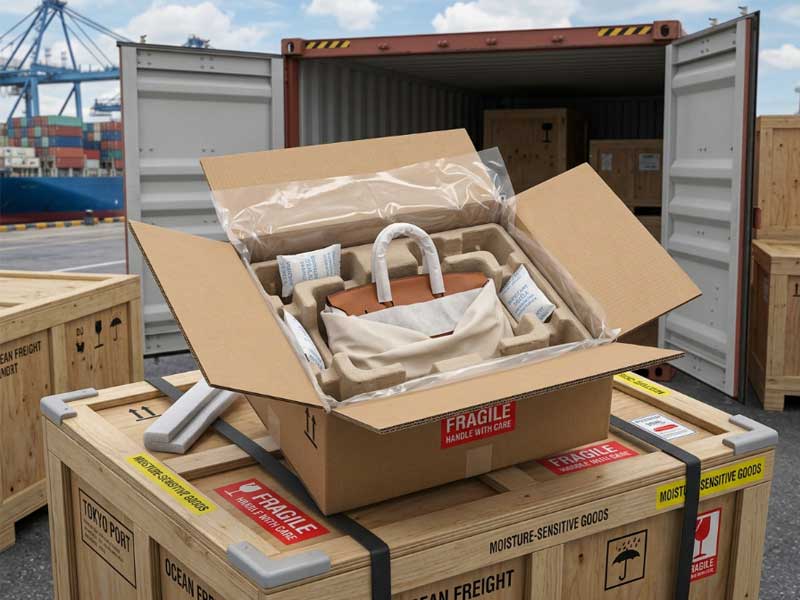
Let me show you how this played out in two real projects I managed:
OEM Case: Brand Portability Through Mold Ownership
A regional outdoor gear retailer hired us for OEM production of a technical hiking backpack. They paid $6,200 in tooling fees upfront, owned the molds, and placed their first 1,200-unit order at $24.50/unit.
Eighteen months later, they requested quotes for their second production run. I gave them a quote at $24.00/unit (slight reduction due to repeat order efficiency). They also approached two other factories and provided technical specs. Because they owned the molds, those factories could quote based purely on manufacturing labor and materials — one came back at $22.80/unit.
The client didn’t switch suppliers (our quality control track record mattered more than $1.20/unit savings), but they used that competitive quote to negotiate. I matched $22.80/unit for a 2,000-unit commitment. Mold ownership gave them negotiating leverage. If they’d gone ODM, they would’ve had zero alternative suppliers to create pricing pressure.
ODM Case: Design Lock-In and Competitor Risk
A fashion accessories startup selected an ODM crossbody bag design from our catalog. No tooling fees. Fast 8-day sampling. They launched on Shopify, sold 800 units in the first two months, and reordered 1,500 units.
Four months after their second order shipped, they found a nearly identical bag — same silhouette, same hardware style, different fabric and branding — sold by a competitor’s Amazon listing. That competitor sourced from the same factory using the same base mold. No contract violation occurred because the factory retained design ownership.
The client was furious. They demanded exclusivity for future orders. The factory offered an "exclusive mold agreement" for a $12,000 buyout fee (essentially converting ODM to OEM retroactively) or a 35% volume commitment (minimum 5,000 units annually) to lock the design. The client couldn’t afford either option at their current sales velocity.
They ended up redesigning the bag with a different factory under OEM — new tooling fees, new sampling cycles, four-month delay to market. If they’d chosen OEM initially, they would’ve owned the molds and design from day one.
How Do Quality Control and Technical Coordination Differ Between Models?
Most buyers assume QC processes are identical regardless of OEM vs ODM. They’re not. The level of technical documentation, revision authority, and inspection coordination you need differs structurally because OEM treats you as the design owner, while ODM treats you as a design licensee.
In OEM, you control every spec revision and QC checkpoint. In ODM, you’re adapting a factory’s proven design, which limits customization depth and shifts some QC responsibility to the factory’s standard processes.
OEM: Heavier Front-End Documentation, Tighter Back-End Control
When you launch an OEM project, you’re building a product from scratch (even if based on reference samples). That requires:
- Full technical pack development: Pattern cutting diagrams, material specifications with thickness/density tolerances, hardware BOM with finish specs, stitching density requirements, and assembly sequence documentation.
- Multi-round sampling with revision authority: First proto sample → revision notes → second sample → final approval. You control each iteration.
- Client-side QC coordination: You define AQL inspection standards, specify which checkpoints require client approval (fabric cutting, pre-assembly, final inspection), and coordinate third-party inspection if needed.
In the OEM projects I’ve managed, clients typically review 2–4 sample iterations before bulk production. Each revision cycle adds 8–12 days to the timeline, but you’re engineering exactly the product you specified. I had one client request a 0.3mm increase in leather thickness after the second sample because their brand positioned as "heavy-duty construction." That level of control only exists in OEM.
The trade-off: you need someone on your team who can interpret technical packs and identify spec deviations during QC. If you’re outsourcing this entirely to the factory’s internal QC (common mistake), you lose the primary advantage of OEM — precision control.
ODM: Faster Sampling, Limited Customization Depth
ODM compresses the sampling timeline because you’re selecting from proven designs with established production workflows. The factory’s technical documentation already exists. You’re specifying:
- Fabric/material substitutions (within compatible thickness ranges)
- Logo application method and placement
- Hardware finish options (gunmetal vs. gold vs. brushed nickel)
- Interior lining color or pocket configuration (if mold design allows)
But you cannot request structural changes that require new molds or significantly alter the factory’s standard assembly sequence. I had an ODM client request we shift the main zipper 2 inches forward for better pocket access. That change would’ve required retooling the front panel die. Factory declined. Client had two options: accept the existing zipper placement or switch to OEM with new tooling investment.
ODM QC relies more heavily on the factory’s established process control because you’re producing a design they’ve made dozens of times before. That’s actually an advantage if you’re working with a factory that maintains strong internal QC — their process is proven. But it also means you have less granular control over inspection checkpoints unless you negotiate specific AQL requirements upfront.
What Happens When You Need to Reorder or Switch Suppliers?
This is where the long-term cost and risk structure of OEM vs ODM becomes undeniable. Reorder flexibility isn’t just a convenience factor — it directly determines whether you can scale production across multiple factories, negotiate volume discounts, or respond to supplier quality issues without restarting your entire development process.
In OEM, reorders are portable. In ODM, reorders create supplier lock-in that compounds over time.
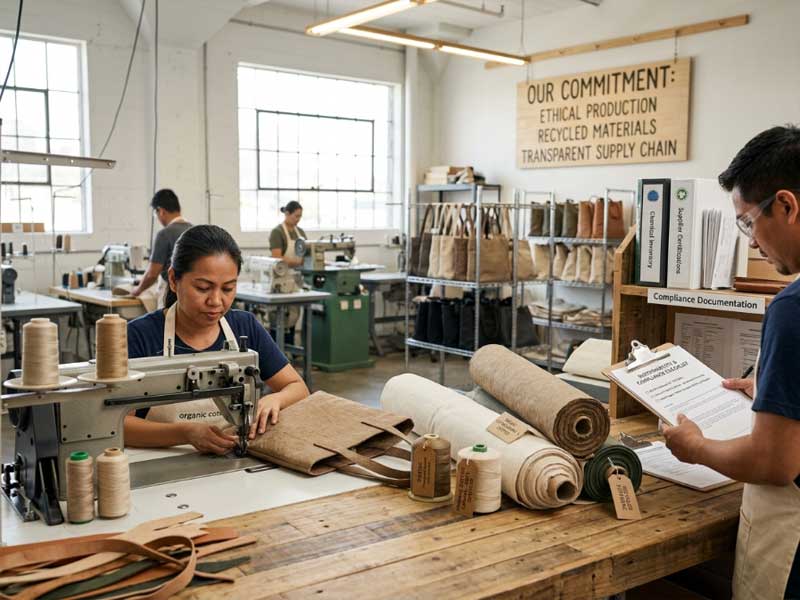
OEM Reorders: Supplier Flexibility and Competitive Pricing
Because you own the molds, reordering is straightforward:
- Same supplier reorder: Submit PO with quantity and delivery timeline. Factory retrieves your molds from storage, runs production, ships. Lead time typically 35–45 days for 1,000+ units.
- Different supplier reorder: Request mold shipment from original factory (or retrieve if you stored them yourself), send molds + technical pack to new factory, run trial production batch to verify quality, proceed with bulk order.
I’ve executed both scenarios multiple times. The trial production step in option #2 is critical — even with identical molds, different factories have slight variations in stitching equipment calibration and assembly workflows. Budget 100–200 units and 2–3 weeks for quality verification before committing to full bulk orders with new suppliers7.
One client used this portability strategically. They split production of their core tote bag design across two factories seasonally — one factory for spring/summer orders (lighter canvas fabric expertise), another for fall/winter (leather and heavyweight nylon). Because they owned the molds, they paid zero duplicated tooling costs. They simply shipped the molds between factories based on order timing.
ODM Reorders: Dependency and Limited Negotiation Leverage
ODM reorders require returning to the original factory because they own the molds. Your options:
-
Standard reorder with the original supplier: Submit your purchase order, and the factory runs production using their existing tooling. Lead times are fast (typically 25–35 days), but you have zero leverage to negotiate per-unit price reductions based on volume because the factory knows you cannot take the product elsewhere.
-
Switching suppliers under ODM: If the factory increases prices, suffers from quality control degradation, or goes out of business, you cannot simply transfer production. You must start over from scratch with a new factory: source or engineer a replacement design, pay new tooling/pattern fees, and undergo full sample approval cycles.
I’ve watched brands get trapped in this dynamic. One client launched a leather travel tote via ODM that became their hero product, generating 60% of their revenue. When their factory raised per-unit prices by 14% on the third reorder, the client had no leverage. Re-engineering the design for OEM with a new supplier would have taken 90 days and $6,000 in upfront tooling—a supply chain pause they couldn’t afford during peak season. They paid the higher price and absorbed the margin hit.
OEM vs. ODM Decision Matrix: Which Model Fits Your Strategy?
To choose the right model, map your current capital, SKU strategy, and product roadmap against the operational trade-offs of each approach:
| Decision Factor | OEM (Original Equipment Manufacturing) | ODM (Original Design Manufacturing) |
|---|---|---|
| Upfront Capital Required | High ($2,000–$8,000+ upfront tooling fees per style) | Low ($0 initial tooling fee; capital deployed only for inventory) |
| Per-Unit Cost (COGS) | Lower (Pure cost of materials, labor, and factory margin) | Higher (12–18% markup embedding factory tooling amortization) |
| Design & Mold Ownership | Complete (You own the physical molds, dies, and tech pack IP) | Factory-Owned (Factory holds design IP unless bought out) |
| Supplier Portability | High (Molds can be transferred to alternative factories) | None (Locked to the original factory’s mold library) |
| Sampling & Development Time | Slower (15–25+ days; requires full tech pack and multi-round engineering) | Faster (7–10 days; minor modifications to proven patterns) |
| Customization Depth | Unrestricted (Full control over specs, dimensions, and hardware) | Restricted (Limited to cosmetic changes like fabric, hardware finish, logo) |
| Competitor Product Risk | Zero (Proprietary molds cannot be reused for other clients) | High (Factory can legally sell the base design to competitors) |
How to Choose the Right Model for Your Brand
Your decision comes down to your capital reserves, product lifecycle stage, and market entry strategy.
Choose OEM if:
-
You are launching a core, permanent SKU: If the bag design represents your flagship product that you plan to reorder for years, the lower per-unit costs of OEM will quickly offset the initial tooling investment.
-
You require proprietary design features: If your bag features unique functional hardware, custom molded foam, or proprietary ergonomic structures, OEM is mandatory to secure design IP and physical molds.
-
You have sufficient launch capital: You can comfortably allocate $2,000–$8,000 for upfront development and tooling without compromising your initial marketing and operational budgets.
-
Supplier diversification is a priority: You plan to scale production across multiple geographic regions or dual-source from separate factories to mitigate supply chain disruption risks.
Choose ODM if:
-
You are testing market demand with low risk: You are launching a limited capsule collection or validating a new market segment and want to minimize upfront capital commitments.
-
You operate a fast-fashion or trend-driven model: Your brand releases dozens of seasonal styles in small quantities with low intention of running multi-year reorders.
-
You need immediate market entry: You face a strict launch deadline and need finished inventory in hand faster than a full 60-to-90-day OEM development cycle allows.
-
You lack technical design infrastructure: You do not have in-house product design resources or tech packs and prefer relying on a factory’s pre-engineered structural patterns.
Actionable Steps for Contract Negotiation
Whichever path you select, structure your manufacturing agreement to protect your unit economics and product assets before issuing a deposit:
-
In OEM Contracts: Explicitly state in your supply agreement that all metal stamps, cutting dies, injection molds, and technical documentation paid for by your company remain your sole physical and intellectual property. Include a clause detailing the mold return procedure upon contract termination, including factory maintenance obligations while stored on-site.
-
In ODM Contracts: Negotiate a right of first refusal for regional exclusivity or request a design variation clause preventing the factory from selling identical structural builds to direct competitors within your primary selling markets. If exclusivity is unavailable, establish a clear mold buyout clause that defines the cost to purchase exclusive rights to the design after achieving specific cumulative volume thresholds.
Making this structural decision upfront prevents costly supplier transitions down the line and ensures your manufacturing model aligns directly with your brand’s financial runway.
Which specific bag style or category are you currently preparing to source, and what is your target launch timeline?
-
"Manufacturing Tooling Costs – A Complete Guide", https://www.machinemetrics.com/blog/tooling-costs. Industry data on tooling costs in contract manufacturing supports that initial mold and die investments typically range from low thousands to mid-five figures depending on product complexity and production volume requirements. Evidence role: statistic; source type: research. Supports: typical tooling cost ranges in custom manufacturing. Scope note: Specific ranges vary by product category, material type, and regional manufacturing location ↩
-
"Injection Mold Standards: DME vs HASCO for Export Tooling", https://super-ingenuity.cn/injection-mold-standards/. Manufacturing engineering principles establish that standardized tooling such as dies, molds, and jigs can generally be transferred between facilities with compatible equipment, though successful implementation requires technical documentation, equipment compatibility verification, and process validation. Evidence role: mechanism; source type: education. Supports: the technical portability of manufacturing tooling across different production facilities. Scope note: Actual portability depends on tooling standardization, equipment compatibility, and may require process adjustments at new facilities ↩
-
"The Top 3 Benefits of Tooling Cost Amortization", https://www.hynesindustries.com/blog/the-top-3-benefits-of-tooling-cost-amortization. Manufacturing economics research indicates that eliminating non-recurring engineering and tooling costs in repeat production runs can significantly reduce per-unit costs, with actual savings depending on the proportion of tooling costs in the initial price structure and production volume changes. Evidence role: general_support; source type: research. Supports: cost reduction potential from eliminating tooling costs in repeat manufacturing orders. Scope note: Specific percentage savings vary widely based on product complexity, initial tooling investment, and order quantities ↩
-
"Contract manufacturing, market competition, and labor … – PMC", https://pmc.ncbi.nlm.nih.gov/articles/PMC9417083/. Supply chain management research demonstrates that competitive bidding among qualified suppliers can reduce procurement costs through price competition, with actual savings depending on market conditions, supplier capacity utilization, and buyer negotiating leverage. Evidence role: general_support; source type: research. Supports: cost reduction potential from competitive supplier bidding in manufacturing. Scope note: The cited savings represent a specific case outcome and may not be representative of typical results across different product categories and market conditions ↩
-
"OEM vs ODM: What’s the Difference in Hardware …", https://www.seacomp.com/resources/oem-vs-odm-manufacturing. Manufacturing process studies confirm that ODM approaches generally reduce sampling and prototyping timelines by leveraging existing design templates and proven production workflows, though specific duration depends on product category and customization requirements. Evidence role: general_support; source type: research. Supports: relative speed advantages of ODM versus OEM in product development phases. ↩
-
"Key Clauses in OEM Contracts: Intellectual Property Rights …", https://www.amarrie.com/blogs/b2b-skincare-insights/key-clauses-in-oem-contracts-intellectual-property-rights-quality-inspection-standards-and-liability-for-breach-of-contract. Contract manufacturing legal frameworks typically establish that OEM arrangements transfer tooling ownership to the buyer upon payment of tooling fees, though specific IP rights depend on contractual terms and jurisdictional law. Evidence role: general_support; source type: education. Supports: standard intellectual property and tooling ownership structures in OEM manufacturing contracts. Scope note: Actual ownership rights must be explicitly defined in manufacturing agreements and vary by jurisdiction ↩
-
"Process Validation: General Principles and Practices", https://www.fda.gov/files/drugs/published/Process-Validation–General-Principles-and-Practices.pdf. Quality management practices in manufacturing recommend pilot production runs to validate new supplier capabilities, with sample sizes and duration determined by product complexity, quality risk assessment, and statistical confidence requirements for process capability evaluation. Evidence role: general_support; source type: research. Supports: typical trial production requirements for supplier qualification in manufacturing. Scope note: Specific sample sizes and timelines vary based on product type, quality requirements, and supplier qualification protocols ↩