Skip to content
Bags are the perfect mix of fashion and function, which we use daily.
But have you ever wondered what goes into making your favorite bag or the differences between materials like leather, artificial leather, canvas, and sustainable options?
This guide will help you understand the most popular materials used to make bags so you can choose the right type of bag for your needs or even design your own.
Understanding handbag materials, such as leather, artificial leather, canvas, and sustainable options, empowers you to make informed choices when purchasing a bag and could inspire you to design your own.
Each material has pros and cons, influencing the bag’s lifespan, appearance, and environmental impact.
Now, let’s get into the nitty-gritty of each material.
Canvas
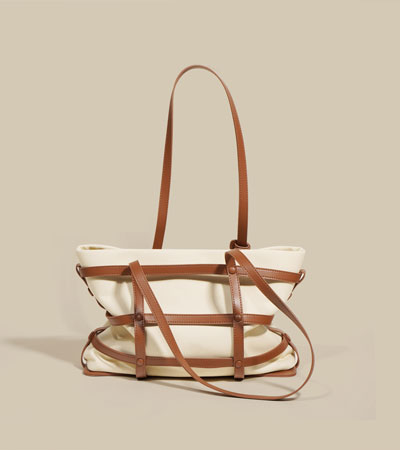
Canvas, a resilient and adaptable fabric made from cotton or linen, has a rich history.
It has served various purposes, from sails and tents to artistic creations.
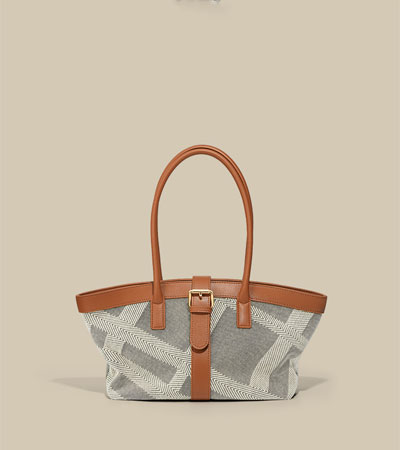
In fashion, canvas is a popular choice, particularly for bags, due to its durability and ability to retain color.
Pros
Durable:
Canvas is solid and rigid, so it can be beaten without tearing.
That makes it great for bags that need to carry heavy stuff or get tossed around.
Water-resistant:
Canvas repels water when treated with a waterproof coating, making it great for outdoor use or in wet conditions.
When made from organic cotton, Canvas is a beacon of sustainability in bag materials.
Its biodegradability and lower environmental impact make it a responsible choice, aligning with the values of eco-conscious consumers.
Colors:
Canvas holds dye well to get bright, long-lasting colors.
That’s why it’s popular in fashion for creating cool designs.
Cons
Stains:
Canvas is absorbent, so it can stain easily.
Stains, especially oil-based ones, can be challenging to remove.
While canvas offers durability and style, it does require some upkeep.
Regular cleaning and care are necessary to keep canvas bags looking their best.
This might involve spot-cleaning or occasional washing, a small price to pay for the longevity of your bag.
Not as fancy:
Canvas is functional and stylish, but it has a luxurious feel that is different from materials like leather or suede, which you might want for high-end fashion items.
Brands
Herschel makes cool backpacks and travel gear.
They use canvas because it’s tough and looks good.
L.L. Bean makes those tote bags everybody knows about.
They use canvas because it’s strong and can withstand a beating.
Everlane is all about being sustainable.
They use organic canvas a lot in their bag designs.
BAGGU makes eco-friendly, reusable bags.
They use canvas because it’s cool and tough.
Leather
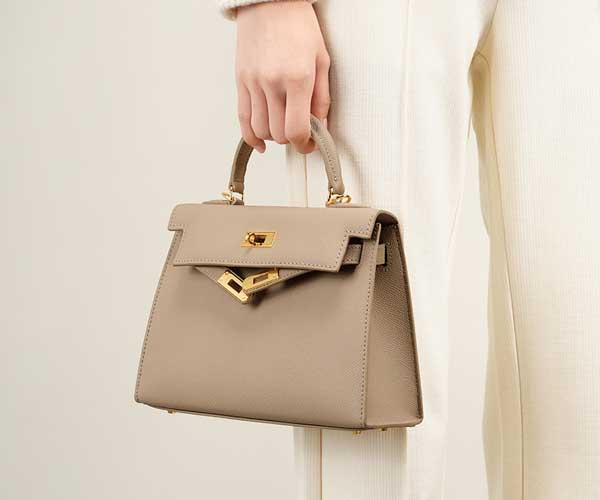
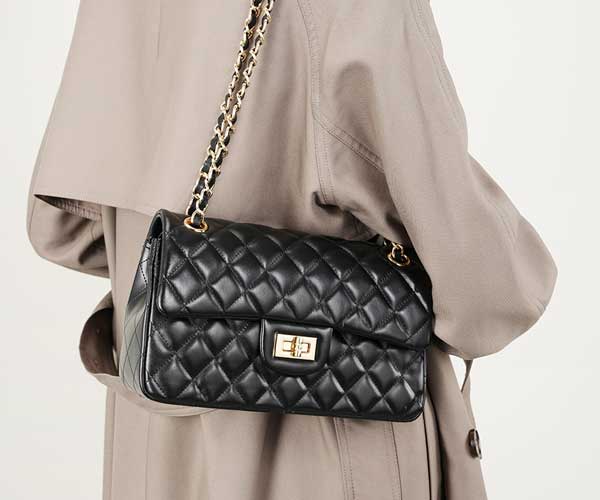
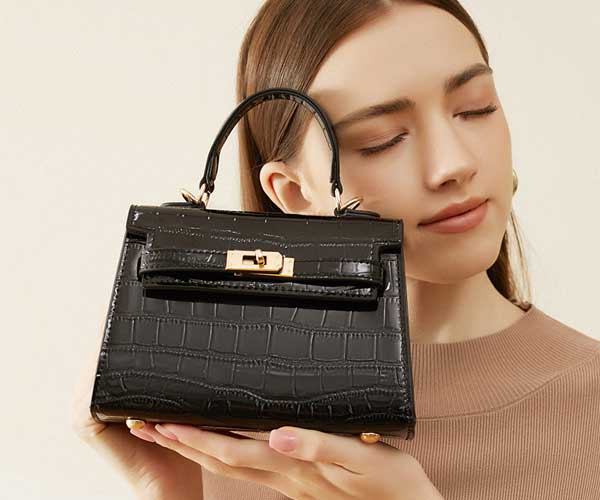
Leather, a highly sought-after material in fashion, is known for its strength, luxury, and timeless appeal.
It is primarily derived from the skin of animals, with cows being the most common source.
The leather production process involves several steps, including the removal of hair, cleaning, and preservation.
It can then be treated in various ways, such as dyeing, embossing, or buffing, to achieve different looks and textures.
Types of Leather
Full-Grain Leather:
The highest-quality leather still has the skin’s natural grain.
It’s solid and develops a beautiful patina over time.
Top-Grain Leather:
This leather is a little lower in quality than full-grain leather.
It’s sanded and treated to remove imperfections.
It’s smoother and more flexible but not quite as strong.
Split Leather:
It is made from the bottom layers of the skin.
It could be more robust and is often used for suede.
Genuine Leather:
Leather made from the remaining layers of the skin after the higher grades have been taken.
It’s less intense but is more affordable.
Bonded Leather:
Leather made from scraps of leather glued together.
It’s the cheapest and less intense than other leathers.
Advantages
Durability:
Good leather will last for years if you care for it.
It’s hard to tear and resists scratches, so it’s great for everyday use.
Looks:
Leather bags always look lovely.
They are classic and elegant.
You can polish them or let them get beat up for different looks.
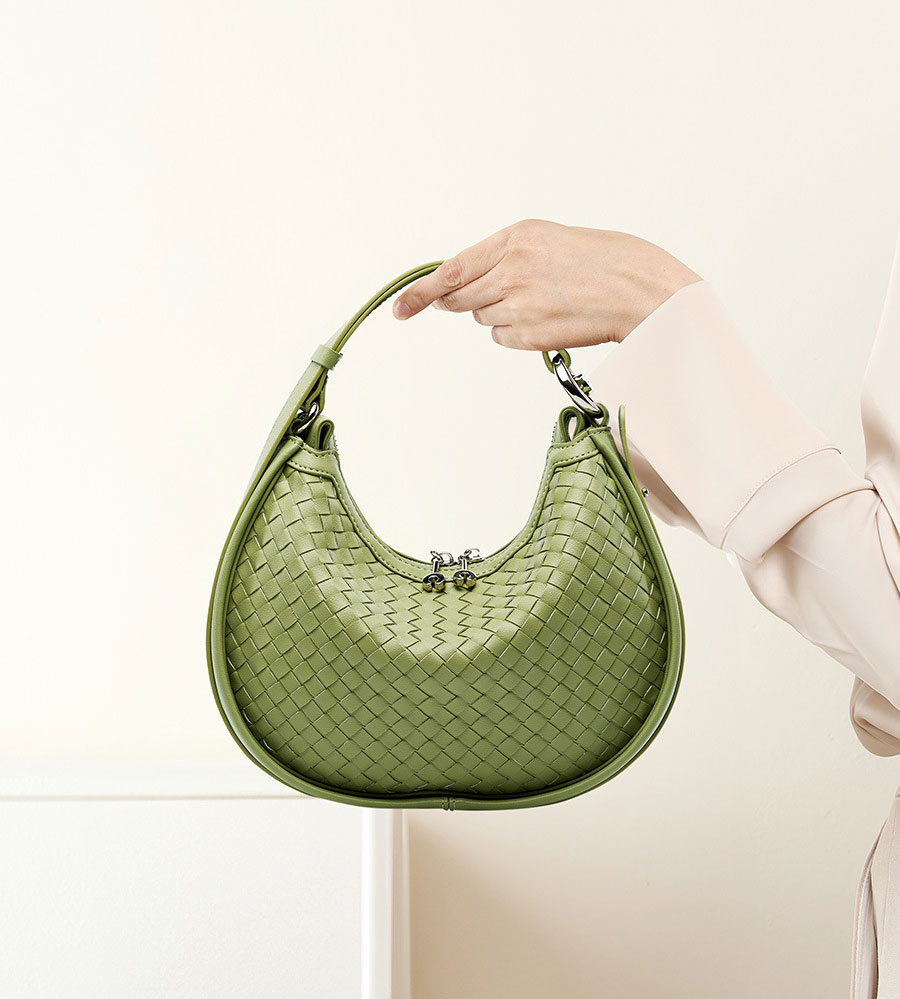
Leather is renowned for its versatility.
It is available in many types and finishes, each with unique aesthetic and functional benefits.
This diversity opens up a world of possibilities, allowing for a wide range of designs and applications and sparking curiosity and creativity.
Disadvantages
Cost:
Real leather can be more expensive than other materials because it takes a lot of work.
Maintenance:
Leather must be cared for to prevent drying out and cracking.
This means applying some conditioner and keeping it away from water.
Acknowledging the environmental and ethical considerations associated with leather production is important.
The process involves significant water usage and chemicals, raising valid concerns about sustainability.
Additionally, the use of animal products in fashion prompts ethical discussions that are crucial to be aware of.
Brands
Known for their fancy purses, Louis Vuitton uses high-quality leather to make things that never go out of style.
Coach makes stylish, long-lasting leather bags.
They use old-school techniques to create modern designs.
Michael Kors offers a wide range of leather purses, including everyday and fancy bags for going out.
Nylon
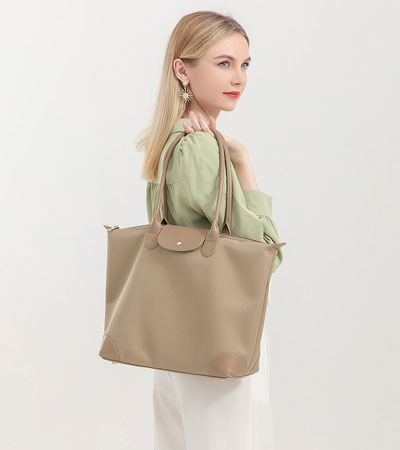
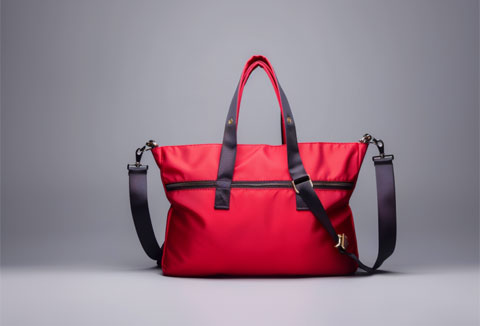
Nylon, a remarkably versatile synthetic polymer, has surged in popularity within the fashion industry.
Originally designed for military use, it has now permeated various consumer products, particularly bags, to cater to various needs.
Pros
Featherlight:
Nylon bags’ incredibly lightweight nature makes them a practical choice, allowing you to carry even heavy items easily.
Water-resistant:
Nylon is naturally water-resistant, and many nylon bags are treated to be even more water-repellent.
Durable:
With its high resistance to abrasions and tearing, Nylon is a dependable choice for rugged use.
Cordura® nylon, celebrated for its exceptional durability, is a prevalent option for outdoor and military gear, instilling a sense of trust in its users.
Cons
Looks:
Sometimes, nylon can look less luxurious compared to natural materials like leather.
Environment:
It’s crucial to note that petroleum-based and non-biodegradable nylon has significant environmental impacts during production and disposal.
This knowledge empowers you to make more responsible choices.
Brands to Know
They’re known for their commitment to sustainability and use recycled nylon in many of their products.
They use durable nylon fabrics for their backpacks and outdoor gear.
Herschel often uses nylon in their functional and stylish backpacks and travel accessories.
Polyester
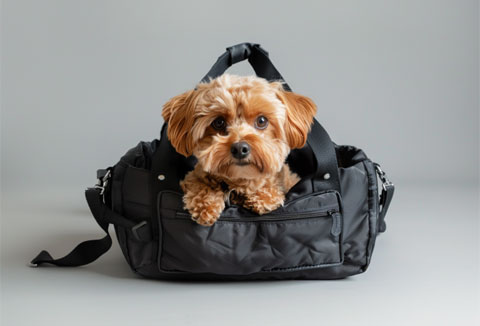
Polyester, a widely used synthetic material in the fashion industry, is a petroleum product.
Its durability, versatility, and cost-effectiveness make it a popular choice.
The ability to weave or knit polyester fabrics results in diverse textures and looks, offering endless possibilities for fashion designers.
Pros
Versatility:
Polyester can be made into various textures and finishes, from smooth and shiny to rough and matte.
This makes it suitable for a range of styles and applications.
Wrinkle-Resistant:
Polyester is highly resistant to wrinkles and holds its shape well, even after repeated use and washing.
Durability:
Polyester is strong and resistant to abrasions and stretching, making it a durable bag choice.
It also has excellent color retention properties, which makes it ideal for brightly colored designs.
Cons
Breathability:
Polyester is less breathable than natural fibers, making it less comfortable to carry close to the body in hot weather.
Environmental Impact:
Polyester, like nylon, is non-biodegradable. Its production process involves significant energy consumption and pollution, challenging sustainability.
However, the emergence of recycled polyester (rPET) offers a promising solution, reducing this material’s environmental footprint.
Notable Brands
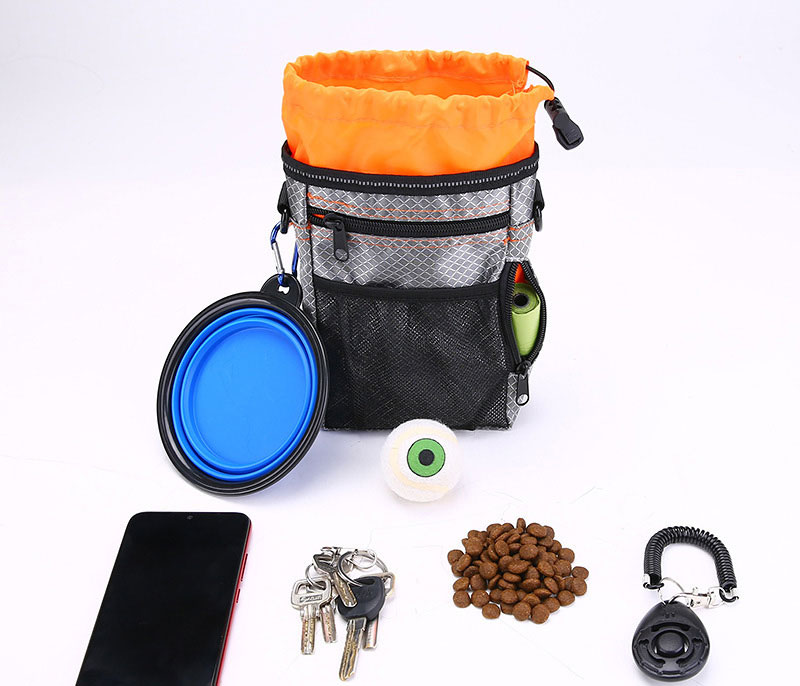
Adidas is a prime example of polyester’s versatility. The company incorporates this material in its sports bags and backpacks.
The choice is driven by polyester’s durability and performance, showcasing its potential in the fashion industry.
Known for their durable and practical bags, Fjällräven often incorporates polyester in their designs.
Nike:
Nike frequently uses polyester in its athletic bags and accessories for its lightweight and durable properties.
Polypropylene Non-Woven Fabric
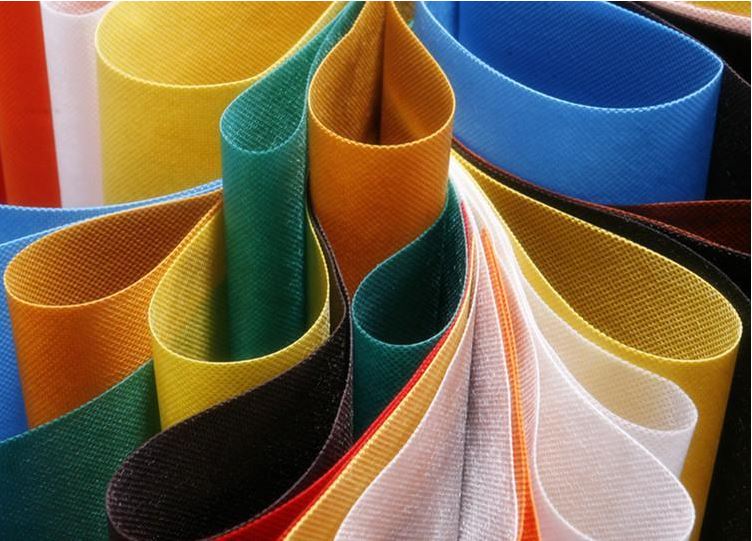
Polypropylene Non-Woven Fabric (PP Non-Woven) is made from polypropylene fibers that are bonded together instead of woven.
This gives it a different feel and makes it a popular choice for reusable shopping bags and promotional items.
Pros
Lightweight:
PP Non-Woven fabric is very light, making it easy to carry and great for portable bags.
Moisture and Chemical Resistance:
It is resistant to moisture and many chemicals, making it durable and easy to clean.
Cost-Effective:
PP Non-Woven fabric is relatively cheap, making it a good option for mass production.
Cons
High-End Use:
It is generally not used for high-end, luxury products because it can have a rougher texture and appearance than other materials.
Stain Resistance:
Even though PP non-woven fabric is durable, it can be difficult to remove deep stains.
Environmental Impact:
It is a synthetic material that doesn’t break down and can add to pollution.
Famous Brands
Uses PP Non-Woven fabric for its reusable shopping bags because it is tough and good for the environment.
Ikea:
They sell cheap, reusable bags made from PP Non-Woven fabric for shoppers.
Promotional Companies:
Many companies that make things to give away use this fabric for custom-printed bags because it is cheap, and you can do much with it.
Denim
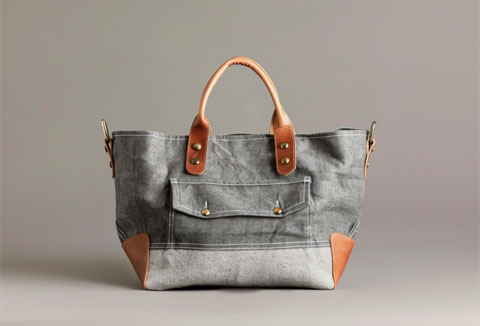
Denim is a rugged cotton twill fabric that is most commonly used for jeans but is also famous for bags.
It is known for its classic blue color and strength.
Denim comes in different varieties, each with unique qualities.
Raw denim, for instance, is untreated and will develop unique fading patterns over time.
Selvage denim is woven on old-style shuttle looms, resulting in a tightly woven edge that prevents fraying.
Vintage denim, on the other hand, is characterized by its worn-in look and soft feel.
Pros
With its excellent, timeless look, Denim offers a versatility that stays in style.
Whether you dress it up or down, it adapts to your fashion choices, empowering you to create your unique style.
Denim is your reliable companion. It is a tough fabric that can take a beating.
Its resistance to abrasions ensures it lasts long, instilling a sense of trust in its longevity.
Denim, everywhere and relatively cheap, breaks down the barriers of fashion exclusivity.
Its accessibility to many people makes you feel included in the fashion world.
Cons
Formalities:
Denim is generally considered a casual fabric and might need improvement in formal or professional settings.
Wear and Tear:
Over time, denim can fade and fray, which some might see as a downside.
Others appreciate the character that it adds to the fabric.
Notable Brands
They’re known for their iconic denim jeans and make denim bags and accessories.
They specialize in denim and often incorporate it into their bag designs.
They frequently have trendy denim bags and backpacks in their casual, urban-inspired collections.
Artificial Leather
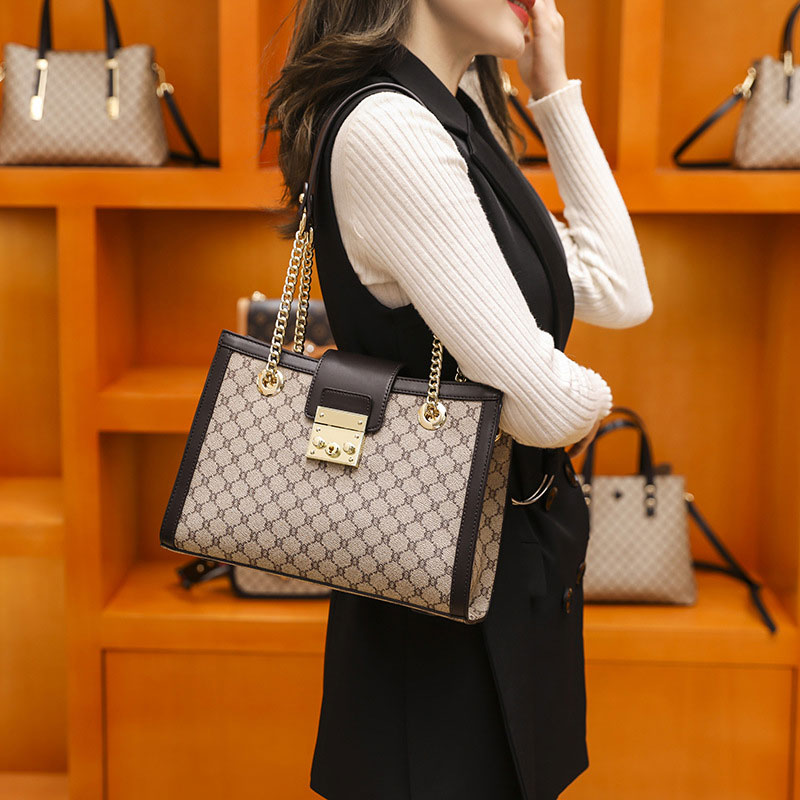
Artificial leather, also known as synthetic leather, is an artificial material designed to look and feel like genuine leather.
It comes in different forms, including PU (polyurethane) and PVC (polyvinyl chloride) leather.
Pros
Affordable:
Artificial leather, being generally cheaper than genuine leather, offers a more budget-friendly option, empowering you to make stylish choices without breaking the bank.
Cruelty-Free:
Artificial leather, devoid of any animal products, is a popular choice for those who align their fashion choices with their ethical values, making you feel good about your purchase.
Variety:
Artificial leather comes in many textures and finishes, offering a wide range of design options. These include smooth, embossed, and perforated styles, inspiring your creativity.
Cons
Not as Durable:
Artificial leather is typically less durable than genuine leather and may only last for a short time.
It can crack and peel over time, especially with heavy use.
Not Breathable:
It doesn’t breathe as well as natural leather, so it can be uncomfortable to wear in hot weather.
Environmental Impact:
The production of artificial leather involves using chemicals and plastics, which can harm the environment. Additionally, it is not biodegradable.
Popular Brands
Known for their commitment to sustainability and vegan materials, Matt & Nat uses high-quality artificial leather in their designs.
They offer a wide range of design options, from classic to contemporary, in various textures and finishes.
This luxury brand offers a range of stylish artificial leather bags that reflect its cruelty-free values.
Specializes in affordable, trendy bags made from artificial leather.
Suede
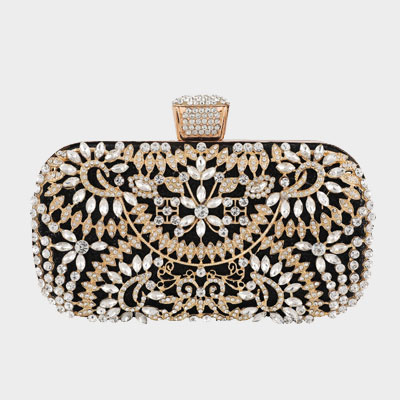
Suede is a soft, velvety leather with a delicate, luxurious texture.
It is made from the underside of animal hides and is often used for delicate, luxurious items.
Pros
Looks Great:
Suede looks nice. It adds a touch of class to any bag.
Indulge in Luxury:
The soft, velvety texture of suede is a sensory delight, offering a luxurious feel to the touch and a heightened sense of elegance when carrying it.
Cons
Special Care Required:
Suede, while exquisite, demands special attention to maintain its allure.
It is prone to staining and water damage, necessitating careful handling and maintenance.
Doesn’t Last as Long:
Suede is less durable than other leathers and can wear out faster.
It’s also more susceptible to scuffs and scratches.
Brands That Use It
Prada, a beacon of style and sophistication, uses suede in many of its high-end handbags, a testament to the material’s elegance and timeless appeal.
Gucci uses suede in many designs because it looks nice and feels great.
Chloé has a bohemian-chic aesthetic and uses suede in many bag designs.
Neoprene
Neoprene, a synthetic rubber, boasts practical properties that make it an ideal material for bags.
Its water resistance, shock absorption capabilities, and flexibility across various temperatures ensure your belongings are well-protected.

Pros
Water-Resistant:
Neoprene is highly water-resistant, which makes it great for bags that need to protect their contents from getting wet.
Because it’s waterproof, the same stuff is used to make wetsuits.
Shock-Absorbing:
It’s great for protecting delicate items, so it’s a good choice for bags that carry electronics or other fragile items.
Durable:
It’s very durable and can take a beating.
It’s flexible and doesn’t break down quickly.
Cons
While neoprene offers impressive performance, it’s important to consider its environmental impact.
As a non-biodegradable, petroleum-based product, its production can be harmful and raises sustainability concerns.
Cost:
Neoprene, being a high-performance material, often has a higher price tag than other materials.
This can be reflected in the overall cost of the bags.
Brands to Check Out
When considering neoprene bags, Dagne Dover is a brand worth exploring.
Renowned for its functional and stylish designs, Dagne Dover incorporates neoprene to ensure the protection of your belongings.
This brand specializes in waterproof bags and outerwear, and they use neoprene because it’s durable and water-resistant.
Neoprene is used in some of their athletic and travel bags because it absorbs shock well.
Fake Fur
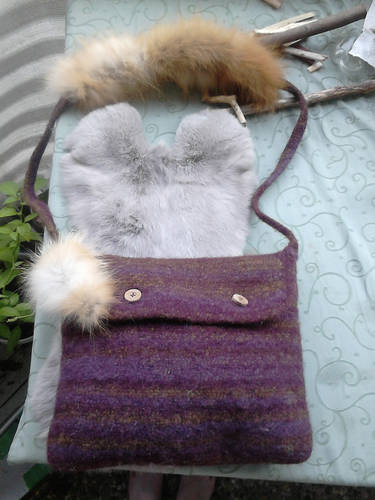
Fake fur, a unique blend of synthetic fibers, offers a plush, fluffy look that rivals real animal fur.
Its standout feature is its ability to provide a luxurious aesthetic without the ethical concerns associated with real fur.
Pros
One key advantage of fake fur is its soft, plush look, which can elevate the style of any bag.
It offers unparalleled design versatility with a wide range of colors and patterns.
Ethical Choice:
Fake fur is a popular choice for people who don’t want to wear real fur.
It’s a compassionate choice that doesn’t involve killing animals.
Practical warmth:
Fake fur can add a cozy layer of warmth to a bag, making it a practical and stylish option for winter accessories.
Cons
Maintenance:
Fake fur can be high maintenance and hard to clean.
You have to take special care to keep it looking good.
Otherwise, it can get matted and lose its softness.
Durability:
It’s less durable than other materials and can wear out faster.
Over time, it can also start to shed, which doesn’t look good.
Brands to Watch
They use fake fur in their stylish handbags and accessories to add fun to their designs.
Known for their ethical stance and luxurious designs, Shrimps uses high-quality fake fur in their collections.
Often, they have trendy fake fur bags and accessories as part of their youthful, fashion-forward offerings.
Summary
So, what’s the best material for your handbag?
It depends on you. Leather and canvas are going to be your most durable and stylish options.
Artificial leather and nylon will be your most affordable and easy-to-maintain options.
Knowing the pros and cons of each material will help you make better decisions for your next handbag purchase or design.
Let me know if you want more details on a specific material or if you have any other questions!