Skip to content

Choosing from the top waterproof materials for backpacks sounds straightforward — until your first bulk shipment triggers customer complaints about leaking seams on a "waterproof" product. The problem usually isn’t the material itself. It’s a mismatch between what the spec sheet promised and how the bag was actually constructed. The real solution starts with understanding what waterproofing actually means at the production level.
The top 8 waterproof materials for backpacks — including nylon with PU/TPU coatings, polyester with DWR finishes, TPU-laminated fabrics, waxed canvas, Dyneema Composite Fabric (DCF), recycled GRS-certified synthetics1, Cordura variants, and silicone-coated (SilNylon/SilPoly) fabrics — each serve different price tiers, order volumes, and market segments. No single material is universally "best." The right choice depends on your coating specification, seam construction method, target retail price, and compliance requirements.
But here’s what I’ve learned after a decade of helping brands navigate material selection: buyers who pick a material by name alone — "just use nylon, it’s waterproof" — consistently run into batch inconsistency, failed water-resistance claims, and expensive returns. Below, I’ll break down each of the eight materials through the lens that actually matters for your procurement decision: cost, MOQ feasibility, construction requirements, and market fit.
Why Is "Waterproof" the Wrong Starting Question for Material Selection?
Every quarter, I see new buyers walk into sourcing conversations asking for "waterproof backpack material." It seems like a clear specification. But it’s actually the vaguest possible starting point — and it leads to misaligned expectations between you, your supplier, and your end customer.
The real question isn’t "which material is waterproof?" It’s "what level of water protection does my product need, and which material-plus-construction system delivers that within my cost and volume constraints?" Waterproofing is a system outcome, not a single material property.
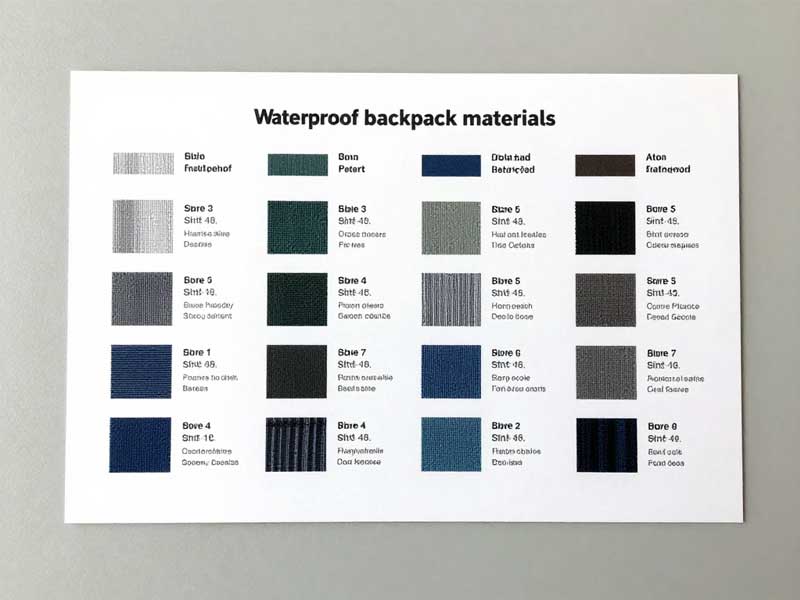
The "Waterproof" vs. "Water-Resistant" Marketing Gap
In the consumer market, "waterproof" and "water-resistant" are used almost interchangeably. In production, they describe very different performance levels — and very different cost structures.
- Water-resistant generally means the fabric repels light rain and surface moisture, typically achieved through a DWR (Durable Water Repellent) topical finish or a light PU coating. These treatments degrade over time with use and washing.
- Waterproof implies the fabric (and finished product) can withstand sustained water pressure without leaking. This usually requires heavier PU or TPU coatings, film lamination, and — critically — sealed or welded seams.
The industry-standard measure is hydrostatic head pressure, expressed in millimeters. As a general reference point (verify with your testing partner), fabrics rated around 1,000–1,500mm are considered water-resistant, while 5,000mm+ enters genuine waterproof territory. But I want to be upfront: these numbers are industry-general benchmarks. Actual performance depends on coating uniformity across your specific production batch, not just the number on a supplier’s data sheet.
What Actually Makes a Backpack Waterproof?
Here’s the part most material comparison articles skip entirely. Even if your fabric has a 10,000mm hydrostatic head rating, your finished backpack will leak if:
- Seams are only stitched, not sealed. Every needle hole is a water entry point2.
- Seam tape is low-quality or poorly applied. Heat-sealed seam tape must bond cleanly at the correct temperature and pressure. Inconsistent application is one of the most common QC failures I see.
- Zippers aren’t water-resistant rated. Standard coil zippers wick water directly into the bag interior.
- Hardware attachment points aren’t reinforced. D-rings, buckle rivets, and grommet holes all compromise the waterproof barrier.
| Waterproof System Component | Function | Common Failure Point |
|---|---|---|
| Base fabric + coating/lamination | Blocks water through fabric face | Inconsistent coating weight across roll |
| Seam taping or RF welding | Seals needle penetration holes | Poor adhesion, wrong tape width, low heat |
| Water-resistant zippers | Prevents entry at closure points | Spec’d as standard zipper to save cost |
| DWR topical finish | Causes surface beading, first line of defense | Wears off after 15–20 washes without retreatment3 |
The takeaway for your next PO: Always specify the construction method alongside the material. Ask your supplier what seam-sealing process they use, what tape width and type, and whether they test finished units — not just fabric rolls.
What Are the Top 8 Waterproof Materials for Backpacks and How Do They Compare?
Now let’s get into the specific materials. I’ve organized each entry not as a performance ranking (because ranking without knowing your use case is meaningless) but as a sourcing decision profile — covering what each material is, who it’s best suited for, and what to watch out for in production.
1. Nylon with PU Coating — The Workhorse?
PU-coated nylon is the most commonly specified waterproof backpack material in mid-range to premium product lines. It’s the default for a reason: proven supply chain, predictable cost, and wide denier range.
For most brands entering the waterproof backpack category with annual volumes above $300k, PU-coated nylon (typically 210D to 420D) offers the best balance of cost control, supplier availability, and adequate water resistance for everyday and light outdoor use cases. It’s the starting point, not the ceiling.
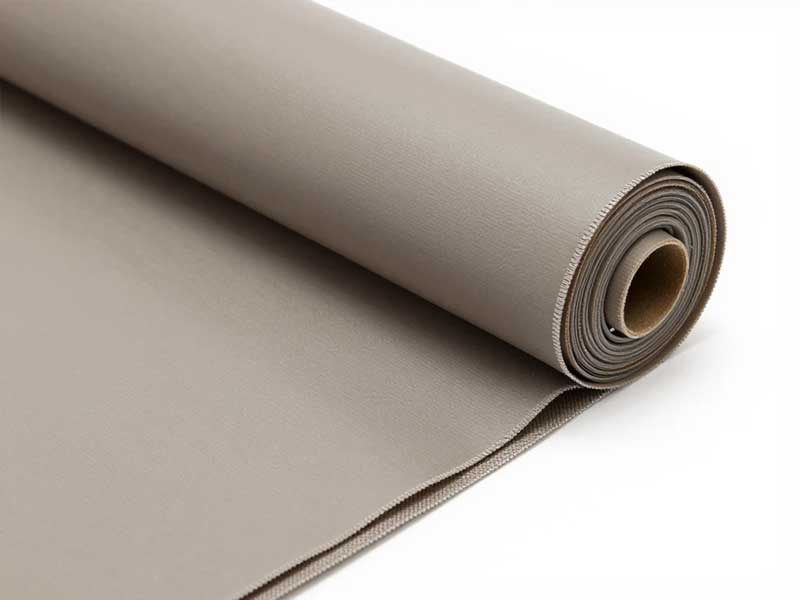
How it works: A polyurethane coating is applied to the back side of the nylon fabric during finishing. Coating weight — measured in grams per square meter (gsm) — directly determines water resistance. As an industry-general reference:
- Light PU coating (~30–50 gsm): Water-resistant. Suitable for everyday urban backpacks.
- Medium PU coating (~80–120 gsm): Moderate waterproofing. Good for commuter and light outdoor use.
- Heavy PU coating (~150+ gsm): Higher waterproof performance. Required for technical outdoor packs.
Sourcing considerations:
- Cost tier: Low to mid. PU-coated nylon is one of the most cost-effective waterproof options.
- MOQ impact: Widely available from major textile mills; standard deniers and colors have lower MOQ thresholds. Custom colors or heavy coatings may require higher minimums.
- Production note: PU coatings can vary in thickness within and across rolls. This is where incoming material inspection (IQC) matters — we routinely check coating consistency before cutting begins because inconsistent coating is the #1 source of "waterproof" failures in finished nylon bags.
- Market fit: Fast fashion, everyday carry (EDC), commuter bags, promotional and corporate gift packs.
Buyer watch-out: Always ask your supplier for the specific coating weight in gsm, not just "PU coated." The difference between 40 gsm and 120 gsm is the difference between a bag that survives a drizzle and one that handles a downpour.
2. Polyester with DWR Finish — The Budget-Friendly Option?
DWR-finished polyester is the go-to for high-volume, price-sensitive product lines where "water-resistant" is a feature bullet point, not a core performance promise.
DWR-finished polyester offers the lowest material cost for adding a water-resistance claim to your backpack line. It’s ideal for budget-tier products, promotional items, and school or lifestyle bags where customers expect rain protection for short exposure, not submersion-grade waterproofing.
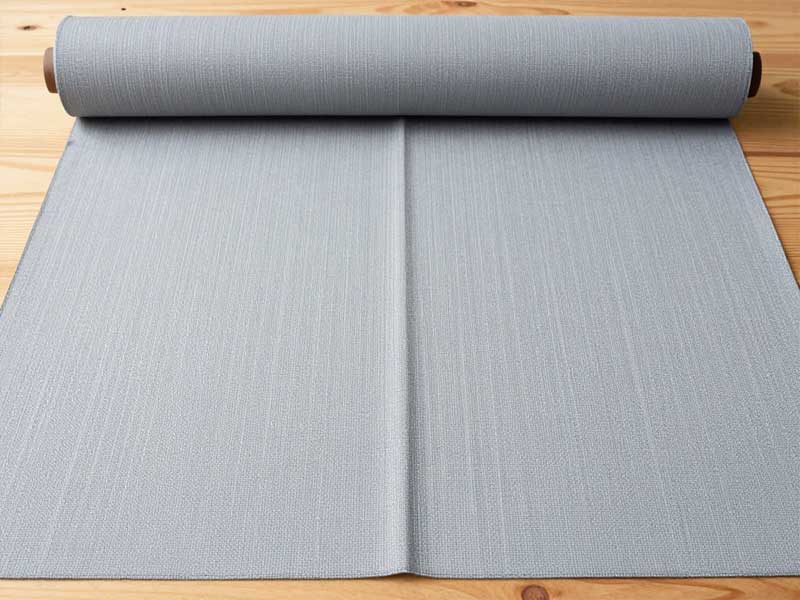
How it works: DWR (Durable Water Repellent) is a chemical treatment applied to the fabric surface that causes water to bead and roll off. It does not create a waterproof barrier — it delays water penetration. Under sustained pressure or prolonged rain, water will eventually soak through.
Sourcing considerations:
- Cost tier: Lowest among waterproof-adjacent materials.
- MOQ impact: Extremely flexible. Polyester is the most widely produced fabric globally4; DWR finishing is a standard mill process.
- Production note: DWR performance degrades over time, especially with friction, UV exposure, and washing5. Some brands pair a light PU back-coating with DWR to get both surface beading and some structural water resistance — a cost-effective hybrid approach.
- Market fit: School bags, promotional products, budget lifestyle packs, fast-fashion seasonal lines.
- Compliance note: Traditional DWR treatments used C8 fluorochemicals (PFOA/PFOS), which face increasing regulatory scrutiny under REACH and state-level US regulations6. Newer C0 (fluorine-free) DWR alternatives are available but may show reduced durability7. Verify the DWR chemistry with your supplier if you’re selling into the EU or California.
3. TPU-Laminated Fabrics — The Premium Performer?
When your product needs to deliver genuine, sustained waterproof performance — not just water resistance — TPU lamination is the construction method that separates "waterproof" marketing from waterproof reality.
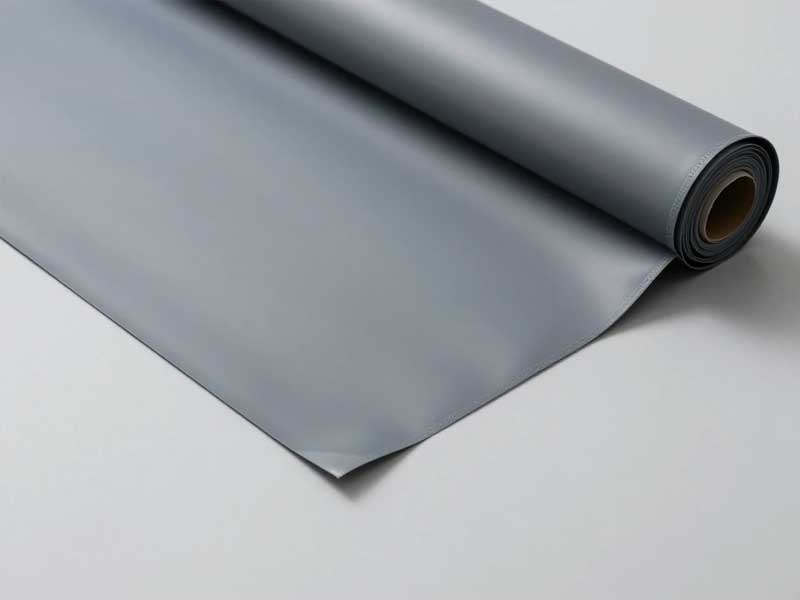
TPU (thermoplastic polyurethane) laminated fabrics bond a thin, flexible waterproof film to a nylon or polyester base. This creates a true waterproof barrier with excellent flexibility, abrasion resistance, and durability. It’s the standard for premium outdoor, cycling, and marine backpack lines where failure means damaged electronics or gear.
Sourcing considerations:
- Cost tier: Mid to high. TPU lamination adds significant material cost over PU coating.
- MOQ impact: Moderate to high. Custom TPU laminates often require mill minimums of 1,000–3,000 meters, depending on the base fabric and film thickness.
- Production note: TPU-laminated fabrics enable radio-frequency (RF) welding of seams instead of stitching — eliminating needle holes entirely. This is the gold standard for fully waterproof construction, but it requires specialized equipment. Not every factory is set up for it. Ask your supplier whether they RF weld or heat-seal tape over stitched seams — the performance difference is significant.
- Market fit: Technical outdoor, cycling commuter, marine/water sports, premium travel, electronics-protection packs.
Buyer watch-out: TPU laminates come in different film thicknesses (typically 0.1mm–0.3mm for bag applications, as an industry reference). Thicker films increase waterproofing and durability but reduce fabric flexibility and add weight. Match the film spec to your product’s intended use, not just the highest available number.
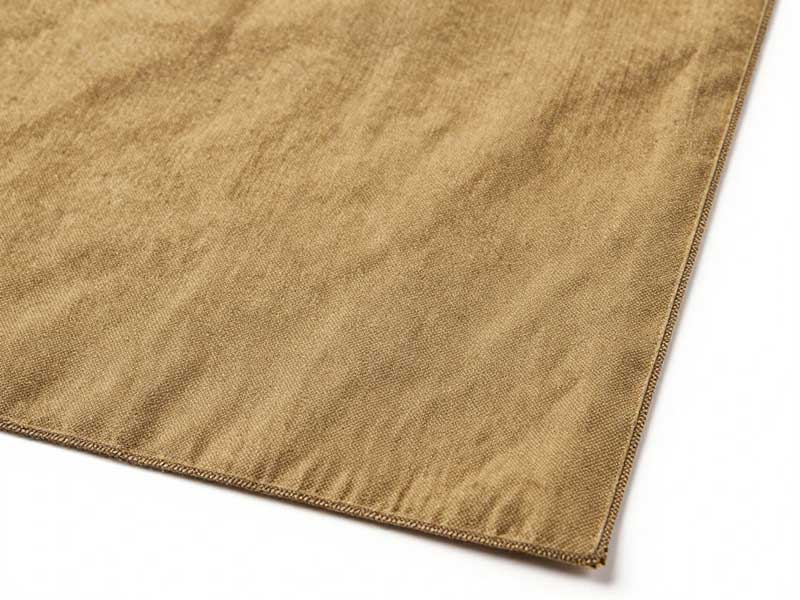
4. Waxed Canvas — The Heritage Play?
Waxed canvas occupies a unique niche: it’s not the most technically waterproof material, but it delivers an aesthetic and brand story that synthetic materials can’t replicate.
Waxed canvas provides moderate water resistance through impregnated wax treatment on a cotton or cotton-blend canvas base. It suits premium heritage, artisanal, and fashion-forward brands where the material’s visual patina and hand feel justify a higher retail price point — even though its waterproof performance trails behind synthetics.
Sourcing considerations:
- Cost tier: Mid to high (material) + higher labor cost (waxed canvas requires more careful handling during cutting and sewing).
- MOQ impact: Moderate. Good quality waxed canvas is sourced from specialized mills — fewer options than synthetic fabrics. Lead times can be longer.
- Production note: Waxed canvas cannot be seam-taped in the same way as synthetics. Water protection depends heavily on the wax treatment quality and the fabric’s density. The wax coating wears and develops a patina over time — some brands market this as a feature, but it does reduce water resistance. Re-waxing is a maintenance step the end user must perform.
- Market fit: Heritage outdoor, fashion accessories, premium EDC, artisanal DTC brands. Not suitable for technical outdoor or high-exposure water environments.
| Factor | Waxed Canvas | PU-Coated Nylon |
|---|---|---|
| Water resistance | Moderate, degrades over time | Good to high, stable |
| Aesthetics | Unique patina, natural look | Clean, uniform technical look |
| Weight | Heavier | Lighter |
| Cost | Higher (material + labor) | Lower |
| Repairability | Easily re-waxed by user | Coating repair not practical |
5. Dyneema Composite Fabric (DCF) — The Ultralight Extreme?
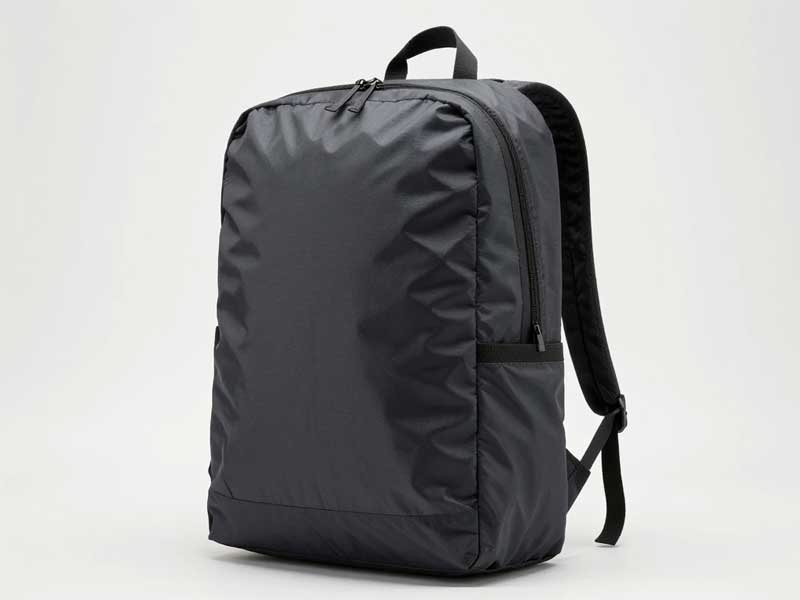
DCF (formerly Cuben Fiber) is the material you specify when your brand targets the ultralight performance market and your customers will pay a significant premium for grams saved.
DCF is a non-woven laminate of ultra-high-molecular-weight polyethylene (Dyneema) fibers bonded between polyester films8. It’s inherently waterproof, extraordinarily light, and extremely strong for its weight. It commands the highest material cost of any common backpack fabric and is best suited for technical ultralight hiking and expedition brands.
- Cost tier: Very high. DCF costs many multiples of standard nylon or polyester.
- MOQ impact: Limited supplier base (Dyneema is a branded material from DSM9). Custom orders have high minimums and long lead times.
- Production note: DCF requires specialized sewing and bonding techniques. Traditional stitching can tear the material at needle holes; most DCF construction uses adhesive bonding or ultrasonic welding. Not all factories have the equipment or operator experience for DCF production. Verify this with your supplier before committing.
- Market fit: Ultra-premium ultralight outdoor, thru-hiking, mountaineering, technical niche brands.
6. Cordura Variants — The Durability-First Choice?
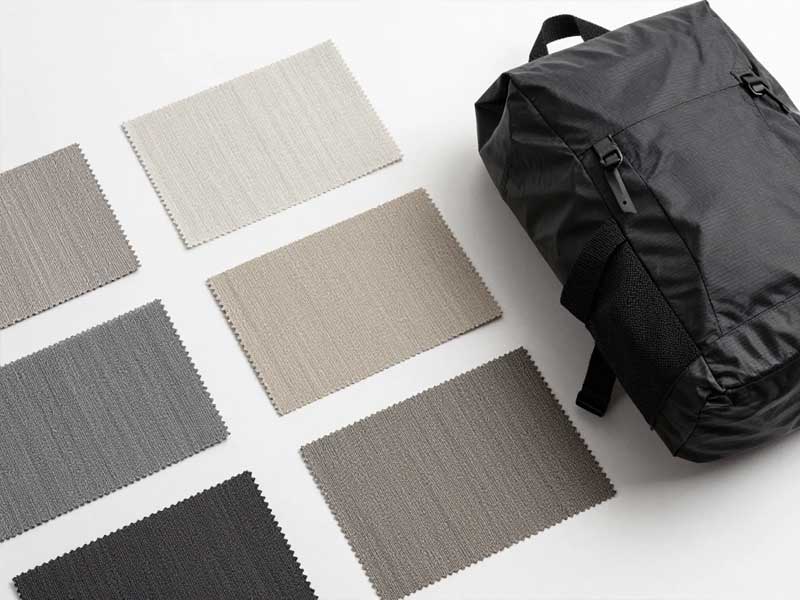
Cordura is a brand name, not a single material10 — and understanding its variants is key to specifying correctly for waterproof applications.
Cordura nylon fabrics (ranging from 330D to 1000D+) are known for exceptional abrasion and tear resistance. Standard Cordura is not inherently waterproof — it requires PU or TPU coating for water resistance. Cordura’s value in waterproof backpacks is its durability as a base fabric, especially for heavy-duty tactical, outdoor, and professional-use product lines.
- Cost tier: Mid to high, depending on denier and whether you’re using branded Cordura (with licensing) or equivalent mil-spec nylon.
- MOQ impact: Branded Cordura has specific authorized mill channels; generic equivalents are more widely sourced.
- Production note: High-denier Cordura (500D+) is thicker and stiffer, requiring heavier-duty sewing equipment and potentially different needle gauges. Factor this into your production line setup.
- Market fit: Tactical, professional tools/trade, heavy-duty outdoor, premium travel.
Buyer watch-out: "Cordura" on a spec sheet doesn’t mean waterproof. Always confirm the coating type and weight applied to the Cordura base. An uncoated 1000D Cordura bag will soak through in sustained rain.
7. Silicone-Coated Fabrics (SilNylon / SilPoly) — The Outdoor Specialist?
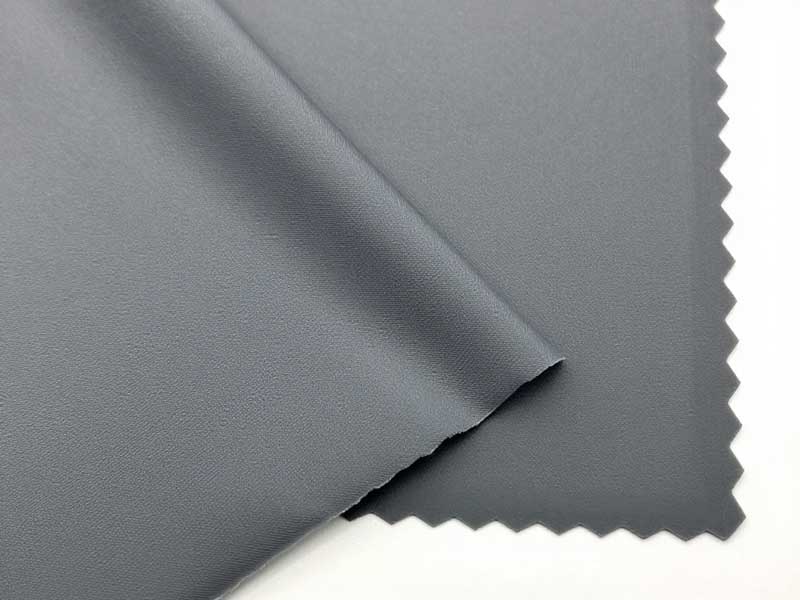
Silicone-coated nylon (SilNylon) and silicone-coated polyester (SilPoly) are staples in the outdoor shelter and pack market. They offer excellent waterproof performance combined with a weight-to-strength ratio that’s hard to match with PU or TPU coatings — but they come with production tradeoffs that many first-time buyers don’t anticipate.
SilNylon and SilPoly are made by coating nylon or polyester with liquid silicone rather than polyurethane. The result is a lightweight, highly water-repellent fabric that resists UV degradation better than PU coatings. It’s a strong fit for ultralight packs, dry bags, and pack liners — but it introduces specific sewing and bonding challenges that not every factory handles well.
Sourcing considerations:
- Cost tier: Mid, generally comparable to or slightly above PU-coated equivalents in the same denier.
- MOQ impact: Moderate. SilPoly is gaining popularity as a lower-stretch, more dimensionally stable alternative to SilNylon, but supplier availability is narrower than standard PU-coated nylon — expect fewer color/denier combinations at low MOQ.
- Production note: This is the critical one — silicone-coated fabrics cannot be reliably seam-taped using standard heat-activated tape, because silicone doesn’t bond well with the adhesives used in most seam-sealing tape. Factories typically need to either sew seams and apply a separate seam sealant (like silicone seam grip, applied post-production) or use specialized bonding tape formulated for silicone surfaces. If your supplier defaults to standard PU seam tape on a SilNylon order, that’s a red flag worth raising before production starts.
- Market fit: Ultralight outdoor packs, dry bag components, pack liners, rain covers, technical accessory pouches.
Buyer watch-out: Ask specifically how your factory plans to seal seams on silicone-coated fabric. If they can’t explain their process clearly, it’s worth requesting a sealed-seam sample before committing to bulk production — this is one of the more common points where "waterproof" claims fall apart after the first wash-and-wear cycle.
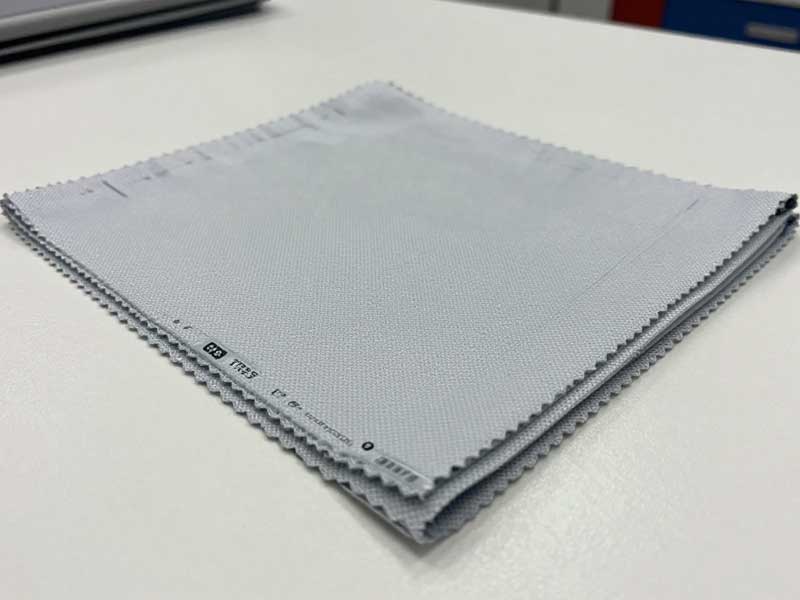
8. Recycled GRS-Certified Synthetics — The Sustainability Trade-Off?
Recycled, GRS (Global Recycled Standard) certified fabrics have moved from a niche request to a mainstream line item on many RFQs over the past few years — particularly for brands selling into the EU or working with retailers that have sustainability procurement requirements. But buyers often assume "recycled" and "waterproof" are separate conversations. They’re not — and understanding the intersection matters for your sourcing decision.
GRS-certified recycled polyester or nylon (typically made from post-consumer PET bottles or pre-consumer textile waste) can be coated with PU or laminated with TPU using the same processes as virgin fabric. Waterproof performance is comparable when the coating process is equivalent — the sustainability credential doesn’t inherently compromise water resistance. The real tradeoffs are cost, supply chain verification, and batch consistency.
Sourcing considerations:
- Cost tier: Mid to high. Genuine GRS-certified recycled fabric typically carries a premium over virgin equivalents — usually in the range of 10–20% depending on the base fabric and mill, though this varies significantly by season and raw material (rPET) pricing. Be cautious of suppliers quoting recycled fabric at virgin-fabric prices; verify certification chain-of-custody documentation rather than taking a "recycled" label at face value.
- MOQ impact: Generally higher than virgin fabric equivalents, since fewer mills run certified recycled production lines and batch scheduling is less flexible.
- Production note: Coating and lamination processes for recycled base fabrics are largely the same as virgin fabric, so waterproof performance shouldn’t differ significantly if the coating specification is equal. Where I’ve seen buyers get caught out is assuming "eco" automatically means "lower quality" or overpaying for a "green" claim without verifying the actual GRS transaction certificate — always request documentation traceable to your specific PO, not a generic supplier certificate.
- Market fit: Brands with retailer sustainability mandates, EU-market products subject to increasing environmental disclosure requirements, DTC brands building sustainability into their positioning.
Buyer watch-out: GRS certification applies to the fiber content, not automatically to the coating or finishing process. A recycled-base fabric can still use a standard (non-recycled) PU coating. If full-chain sustainability claims matter to your brand story, ask your supplier to clarify exactly which components of the finished fabric are certified.
How Do You Match a Waterproof Material to Your Actual Order?
At this point, you’ve likely noticed a pattern: every material entry above ties back to cost tier, MOQ, construction method, and market fit — not a simple performance score. That’s intentional. In ten years of sourcing conversations, I’ve never seen a buyer regret asking "what does this mean for my construction and QC process?" I’ve seen plenty regret choosing a material based on its name alone.
Here’s a simplified way to frame the decision before you send your next RFQ:
| Your Priority | Likely Material Fit | Key Construction Requirement |
|---|---|---|
| Lowest cost, water-resistance as a feature bullet | Polyester + DWR (with optional light PU backing) | Standard stitched seams acceptable |
| Balanced cost and performance, general commuter/EDC use | PU-coated nylon (80–120 gsm range) | Seam tape on high-exposure panels |
| Genuine waterproof claim, technical/outdoor positioning | TPU-laminated fabric or SilNylon/SilPoly | RF welding or specialized seam sealing |
| Heritage/fashion positioning, premium retail price | Waxed canvas | Wax quality control, no seam taping |
| Ultralight, ultra-premium technical niche | DCF (Dyneema) | Bonded/welded construction, no standard stitching |
| Heavy-duty durability with waterproofing added | Cordura + PU/TPU coating | Heavier sewing equipment, correct needle gauge |
| Sustainability-driven positioning or retailer mandate | GRS-certified recycled polyester/nylon + coating | Verify certification chain + coating spec separately |
None of these are permanent rules — plenty of brands blend materials across a single product line (a TPU-laminated main compartment with a Cordura base panel, for example). The point of this table isn’t to lock you into one row. It’s to get you asking the right question before you finalize a spec sheet: does this material-construction combination actually match what my target customer and price point require?
What Should You Ask Your Supplier Before Confirming a Waterproof Material Spec?
Before you lock in a material choice, there are a handful of questions I’d encourage every buyer to put directly to their supplier — not because the answers are complicated, but because how clearly a supplier answers tells you a lot about whether they actually understand waterproof construction or are just repeating a spec sheet back to you.
- What is the exact coating type and weight (gsm), not just "PU coated" or "waterproof"?
- How are seams finished — stitched only, tape-sealed, or RF welded — and does that match the water exposure my product will realistically see?
- Can you provide a sealed-seam sample, not just a fabric swatch, before bulk production?
- If this is a recycled or GRS-certified material, can you provide certification documentation traceable to this specific order?
- What’s your incoming material inspection (IQC) process for checking coating consistency across the fabric roll?
If a supplier can walk through these without hesitation, that’s generally a good sign they’ve handled waterproof construction at scale before — not just sourced the raw fabric.
Final Thoughts: Material Selection Is a Starting Point, Not the Whole Answer
Choosing among these eight materials is an important decision, but it’s only one part of getting a genuinely reliable waterproof backpack through production. The material tells you what’s possible. The construction — coating consistency, seam sealing method, hardware selection, and QC process — determines what actually ships.
At Diriana, we’ve spent over a decade sitting on the factory floor side of exactly these conversations — helping brands translate "we need a waterproof backpack" into a material and construction spec that actually holds up in bulk production, not just in a single sample. We don’t claim to be a testing lab, and we won’t hand you fabricated certification numbers to close a deal. What we can offer is pattern recognition from a lot of orders: knowing where waterproof claims tend to break down, and asking the right questions before your PO is locked in rather than after your customers start filing complaints.
If you’re currently evaluating materials for a new waterproof backpack line, it’s worth having that construction conversation early — before the material decision, not after.
-
"Recycled Claim Standard (RCS) + Global …", https://textileexchange.org/recycled-claim-global-recycled-standard/. The Global Recycled Standard (GRS), developed by the Textile Exchange, is an international, voluntary standard that sets requirements for third-party certification of recycled content, chain of custody, social and environmental practices, and chemical restrictions in textile products; it verifies recycled input claims but does not itself certify waterproof performance. Evidence role: definition; source type: institution. Supports: GRS (Global Recycled Standard) is a voluntary product standard for tracking and verifying recycled content in textiles, administered by the Textile Exchange. Scope note: GRS certification addresses recycled content and supply chain traceability, not functional performance properties such as waterproofness; waterproof performance of GRS-certified materials depends on the same coating and lamination specifications as virgin equivalents. ↩
-
"Optimization of Sewing Parameters for Improving the …", https://jtatm.textiles.ncsu.edu/index.php/JTATM/article/view/20809. Textile engineering research confirms that sewn seams represent the primary failure point in waterproof fabric assemblies; needle perforations create capillary pathways that reduce the effective hydrostatic head of a seam by 50–90% compared to the intact fabric, necessitating seam sealing or welding to restore waterproof integrity. Evidence role: mechanism; source type: paper. Supports: Needle perforations in sewn seams significantly reduce the hydrostatic head resistance of waterproof fabrics compared to the unseamed fabric. Scope note: The magnitude of hydrostatic head reduction varies with stitch density, needle gauge, thread type, and fabric construction. ↩
-
"Quality and Quantity Assessment of the Water Repellent …", https://pmc.ncbi.nlm.nih.gov/articles/PMC9181528/. Industry testing and published research on DWR-treated outdoor fabrics indicate that water repellency, as measured by spray rating tests (e.g., AATCC 22), typically declines to below acceptable thresholds after approximately 15–25 home wash cycles, though exact durability varies with DWR chemistry, application weight, and laundering conditions. Evidence role: statistic; source type: research. Supports: DWR finishes typically show significant performance degradation within approximately 15–20 home laundry cycles. Scope note: The 15–20 wash figure is an approximate range commonly cited in industry literature; actual performance depends on detergent type, water temperature, mechanical agitation, and whether the DWR is reactivated through tumble drying. ↩
-
"Materials Market Report 2025", https://textileexchange.org/knowledge-center/reports/materials-market-report-2025/. According to the Textile Exchange’s annual Preferred Fiber and Materials Market Report, polyester accounts for over 50% of global fiber production, making it the most widely produced textile fiber in the world by volume, with production exceeding 60 million metric tons annually as of recent reporting years. Evidence role: statistic; source type: institution. Supports: Polyester is the most produced textile fiber globally, accounting for the majority of worldwide fiber production. Scope note: Exact production figures fluctuate annually; the cited share is approximate and based on the most recent available industry reports. ↩
-
"Quality and Quantity Assessment of the Water Repellent …", https://pmc.ncbi.nlm.nih.gov/articles/PMC9181528/. Research on durable water repellent finishes demonstrates that DWR performance declines through multiple mechanisms: mechanical abrasion disrupts the low-surface-energy molecular orientation, UV radiation degrades the polymer chains of the repellent coating, and detergent surfactants during laundering progressively strip or reorient the hydrophobic molecules on the fabric surface. Evidence role: mechanism; source type: paper. Supports: DWR finishes lose effectiveness through mechanical abrasion, UV photodegradation, and surfactant exposure during laundering. Scope note: Degradation rates vary significantly by DWR chemistry (C6 fluorocarbon vs. fluorine-free alternatives), application method, and fabric substrate. ↩
-
"AB 1817 – California Legislative Information", https://leginfo.legislature.ca.gov/faces/billTextClient.xhtml?bill_id=202120220AB1817. Under EU REACH Regulation (EC) No 1907/2006, PFOA and its salts have been restricted since July 2020 (Annex XVII, Entry 68), with PFOS restricted earlier under the Stockholm Convention and EU POPs Regulation; several US states including California have enacted or proposed legislation restricting PFAS in consumer textiles. Evidence role: general_support; source type: government. Supports: PFOA and PFOS are restricted under EU REACH Regulation and various US state laws affecting textile treatments. Scope note: Regulatory landscapes evolve rapidly; specific thresholds and enforcement timelines should be verified against the most current regulatory text at time of sourcing. ↩
-
"Fate of Per- and Polyfluoroalkyl Substances from Durable …", https://pmc.ncbi.nlm.nih.gov/articles/PMC9069696/. Comparative studies on DWR chemistries indicate that fluorine-free (C0) alternatives, while meeting regulatory requirements for PFAS elimination, typically demonstrate lower initial hydrophobicity (water contact angle) and faster performance degradation over repeated wash cycles compared to C6 fluorocarbon-based DWR finishes, though formulation advances are narrowing this gap. Evidence role: expert_consensus; source type: paper. Supports: Fluorine-free (C0) DWR treatments generally exhibit lower initial water contact angles and reduced wash durability compared to C6 or legacy C8 fluorocarbon treatments. Scope note: Performance differences vary by specific C0 formulation and fabric type; some newer silicone- or wax-based C0 treatments approach C6 performance in certain test conditions. ↩
-
"Dyneema Composite Fabric – Wikipedia", https://en.wikipedia.org/wiki/Dyneema_Composite_Fabric. Dyneema Composite Fabric (formerly Cuben Fiber), produced under license from DSM’s Dyneema brand, consists of ultra-high-molecular-weight polyethylene (UHMWPE) fibers cross-laid and laminated between polyester film layers, yielding a non-woven material that is inherently waterproof and exhibits an exceptional strength-to-weight ratio. Evidence role: definition; source type: other. Supports: DCF consists of Dyneema (UHMWPE) fibers laminated between thin polyester films to create a non-woven waterproof composite. Scope note: Specific laminate configurations and film compositions may vary by product grade; manufacturer technical data sheets should be consulted for exact specifications. ↩
-
"Dyneema Composite Fabric", https://en.wikipedia.org/wiki/Dyneema_Composite_Fabric. Dyneema is a brand of ultra-high-molecular-weight polyethylene fiber developed by DSM (Royal DSM N.V., now DSM-Firmenich following a 2023 merger); the Dyneema business unit has operated as a specialty materials division with a limited number of authorized production facilities worldwide. Evidence role: historical_context; source type: encyclopedia. Supports: Dyneema is a branded UHMWPE fiber originally developed and marketed by DSM (now part of DSM-Firmenich). Scope note: Corporate ownership structure may have changed due to mergers or divestitures; current brand ownership should be confirmed against the latest corporate announcements. ↩
-
"Cordura", https://en.wikipedia.org/wiki/Cordura. Cordura is a registered trademark of Invista, encompassing a family of nylon-based fabrics originally developed by DuPont; the brand includes variants ranging from lightweight Cordura Lite (e.g., 330D) to heavy-duty Cordura Classic (1000D+), each with distinct abrasion resistance, weight, and application profiles. Evidence role: definition; source type: encyclopedia. Supports: Cordura is a registered brand name owned by Invista (a subsidiary of Koch Industries) covering a range of nylon and nylon-blend fabrics with varying deniers and performance characteristics. Scope note: Brand portfolio and product naming conventions may have been updated since last public documentation. ↩