Skip to content
I’ve been reviewing client tech packs for years, and I’ve watched promising bag projects stall not because of factory capability issues, but because incomplete technical documentation forces our team into expensive guessing games1. Your supplier needs specific information before cutting the first piece of material, and missing details don’t just slow down timelines—they fundamentally change whether your prototype will match your vision or require costly do-overs.
A complete tech pack isn’t a formality—it’s the technical blueprint that determines whether your factory can assess structural feasibility, source compatible materials, price accurately, and deliver a prototype that matches your expectations. Without explicit material specifications, hardware details, construction cross-sections, and dimension callouts, factories either halt production for clarification rounds or make technical assumptions that rarely align with what you envisioned, extending sampling cycles by weeks and inflating costs through re-work.
Here’s what most brands don’t realize: when we receive your tech pack, our technical review team doesn’t just glance at sketches and start cutting fabric. We cross-reference every specification against our material inventory, assess equipment compatibility, evaluate structural stress points, and estimate production complexity. Gaps in your documentation don’t just create minor delays—they trigger decision bottlenecks that cascade through the entire sampling process.
Why Can’t Factories Just "Figure It Out" From Sketches?
I understand why clients assume detailed sketches should be enough. You’ve drawn exactly what you want, maybe even included color swatches and inspiration photos. Shouldn’t an experienced factory be able to interpret creative vision?
Factory sampling isn’t creative interpretation—it’s precision manufacturing that requires measurable specifications2 to assess technical feasibility, determine material compatibility with structural requirements, and prevent costly prototype failures that stem from undocumented assumptions about thickness, hardware stress tolerance, or construction methods.
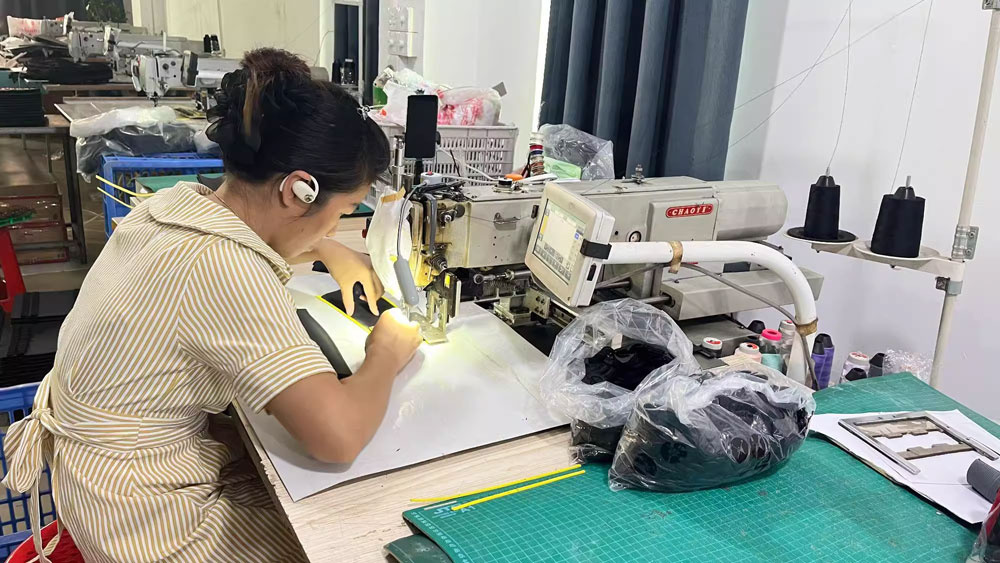
When I receive a tech pack that only shows exterior renderings, our workflow immediately hits a structural assessment blocker. My team needs to know: Will this bag’s weight distribution require reinforced stress points? Does the handle attachment method specified match the material thickness you’re requesting? Can the proposed zipper placement accommodate the internal compartment layout you’ve described?
These aren’t questions we answer through educated guessing—they require explicit technical documentation. Without it, we’re forced into one of two risky paths:
- Halt sampling entirely and send lengthy clarification requests that extend your timeline by weeks
- Make assumptions based on similar past projects and risk delivering a prototype that doesn’t match your mental model
Neither option serves your project. The first option delays your product launch. The second option wastes your sampling budget on prototypes that require significant revision.
I’ve watched this pattern repeat across hundreds of projects: brands who invest upfront time in comprehensive tech pack preparation receive first prototypes that match expectations, while those who submit minimal documentation enter multi-round sampling cycles that balloon costs and push timelines.
How Factories Actually Use Your Tech Pack
Before we touch any material, your tech pack goes through a structured technical review process that most clients never see:
Material Compatibility Assessment – Our procurement team checks if specified materials can handle the bag’s structural requirements (weight capacity, stress points, wear resistance) and whether they’re compatible with our sewing equipment and finishing processes.
Hardware Sourcing Evaluation – We verify whether requested hardware exists within our supplier network, assess lead times for specialty items, and flag potential substitution needs for out-of-stock or discontinued components.
Construction Feasibility Analysis – Our technical team evaluates whether the proposed assembly sequence is physically possible with specified materials, whether seam placements will create stress concentration points3, and whether the design requires specialized equipment we don’t have in-house.
Cost Estimation Calculation – We calculate material consumption based on dimensions, assess labor complexity from construction details, and factor in hardware unit costs—but all of this requires precise specifications, not approximate descriptions.
When critical details are missing, this entire workflow stalls. We can’t source materials without thickness specifications. We can’t evaluate structural integrity without cross-section views. We can’t provide accurate quotes without explicit hardware requirements.
The Hidden Cost of "We’ll Refine It During Sampling"
Some clients deliberately submit minimal tech packs with the expectation that the factory will propose solutions during the sampling phase. This approach might work for simple products, but for complex handbags with multiple compartments, specialized hardware, and specific material hand-feel requirements, it’s a guaranteed budget drain.
Every assumption we make without your explicit guidance creates a potential mismatch point. Every time we choose materials, hardware, or construction methods based on "industry standard" interpretations rather than your documented specifications, we risk delivering a prototype that requires expensive re-work.
I’ve seen projects where vague tech pack language like "premium quality leather" resulted in three separate prototype iterations because the client’s definition of "premium" differed from our material sourcing standards. Each iteration consumed sampling budget, extended timelines, and frustrated both parties—all preventable with upfront material specification clarity.
What Happens When Material Specs Are Too Vague?
When a tech pack lists "PU leather" without additional specification, our material procurement team faces an impossible decision tree. Do you want:
- Thickness: 0.6mm thin and drapey, or 1.2mm structured and firm?
- Surface texture: Smooth grain, pebbled, embossed, or matte?
- Hardness rating: Soft hand-feel for slouchy bags, or rigid for structured designs?
- Backing material: Knitted backing for stretch, woven for stability, or foam-backed for cushioning?
Material specification ambiguity isn’t just a preference issue—it’s a structural risk assessment blocker. Without explicit thickness, texture, and hardness details, factories cannot determine if the material can handle the bag’s weight capacity and stress points, whether it’s compatible with existing sewing equipment, or deliver accurate cost estimates, forcing either production halt or educated guessing that typically results in "this isn’t the hand-feel I wanted" feedback.
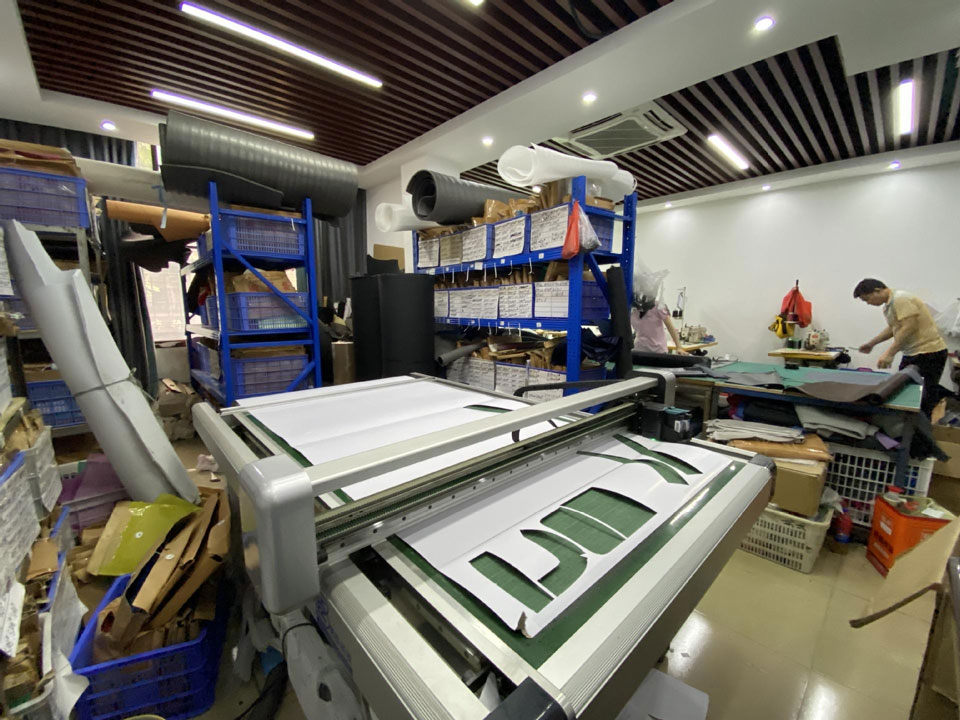
Here’s what happens in our technical review when material specs are incomplete:
The Equipment Compatibility Question
Our sewing machines are calibrated for specific material thickness ranges4. When you don’t specify thickness, we can’t determine:
- Whether the material will feed properly through our standard walking foot machines5
- If seam allowances will lay flat or create bulk at stress points
- Whether we need specialized needles or thread weights
- If our existing presser foot pressure settings will work or create puckering
I’ve had projects where we assumed standard 0.8mm PU would work based on the bag’s exterior design, only to discover during prototype assembly that the client expected 1.5mm structured material that required completely different machine settings and specialty equipment we had to rent.
The Structural Integrity Assessment
Material thickness directly determines whether a bag can support its intended load without deformation. When your tech pack doesn’t specify this, we cannot:
- Calculate whether proposed handle attachment points need reinforcement
- Assess if the base requires additional stabilizer layers
- Determine if sidewalls can maintain structure or need internal support panels
- Evaluate whether zipper installations will create stress concentration points that cause tearing
This isn’t theoretical concern—I’ve seen prototypes fail structural testing because assumed material thickness couldn’t handle the documented weight capacity requirement. The client’s tech pack specified "durable PU suitable for laptop bags" but didn’t provide thickness specs, so we sourced standard commercial-grade material that deformed under the specified 5kg load capacity.
The Cost Estimation Impact
Material thickness variations create 20-40% cost swings6 that we cannot predict from vague descriptions:
| Material Thickness | Cost Impact | Structural Characteristics |
|---|---|---|
| 0.6mm thin PU | Baseline cost | Suitable for lightweight, unstructured designs |
| 0.8mm standard PU | +15% material cost | General-purpose bags with moderate structure |
| 1.2mm thick PU | +35% material cost | Structured bags requiring shape retention |
| 1.5mm premium PU | +45% material cost | Heavy-duty applications with reinforcement needs |
When we receive incomplete material specs, we’re forced to quote based on assumptions that may not match your actual requirements. If you approve our quote expecting thin material pricing but your design actually needs thick structured PU, the final production cost will exceed estimates by 30-40%—a budget surprise nobody wants during order confirmation.
The Hand-Feel Mismatch Problem
Beyond technical specifications, material "hand-feel" is subjective and varies dramatically even within the same thickness category. Two different 0.8mm PU materials can feel completely different based on:
- Surface coating formulation affecting tactile smoothness
- Backing material composition influencing drape and stiffness
- Foam layer thickness creating cushioning or firmness
- Manufacturing process determining grain depth and texture definition
I cannot count how many times I’ve received feedback like "this doesn’t feel premium enough" on prototypes where we selected materials that technically matched the documented thickness but didn’t align with the client’s unstated expectations about softness, grain definition, or surface sheen.
This is why I always push clients to send physical reference swatches alongside written specifications. A 2-inch material sample tells us more about your expectations than three paragraphs of descriptive adjectives.
Why Hardware Specifications Have the Longest Consequence Tail?
Vague hardware descriptions like "silver-tone zipper" or "metal buckle" seem minor compared to major material decisions, but they create the longest downstream delays because hardware sourcing has fundamentally different timelines than fabric procurement.
Hardware specification gaps trigger multi-week clarification cycles because suppliers require exact technical details (size, finish, attachment method, load rating) before production, and errors discovered mid-sampling require complete re-sourcing that extends timelines significantly, unlike fabric substitutions which can sometimes be adjusted during prototyping.
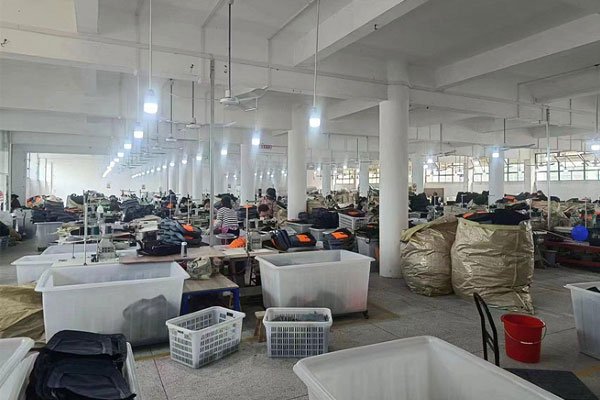
The Hardware Sourcing Timeline Reality
When you specify materials like "genuine leather" or "canvas," our fabric suppliers can usually provide samples within 3-5 days and confirm bulk availability within a week. Hardware operates on completely different timelines:
Standard catalog hardware – 7-10 days for sample procurement if we’re ordering from existing supplier inventory
Custom-finished standard hardware – 15-20 days if you want specific plating colors (rose gold, antique brass, gunmetal) applied to stock components
Custom-molded hardware – 30-45 days if you need branded logos, unique shapes, or specialty dimensions that require new tooling7
Specialty functional hardware – 45-60+ days for items like magnetic closures, turn-locks, or security buckles with specific load ratings
When your tech pack says "high-quality zipper" without specifying manufacturer preference, size, tooth style, pull design, or finish color, we face weeks of back-and-forth clarification before we can even initiate the sourcing process.
Why "Similar to Reference Photo" Doesn’t Work for Hardware
I frequently receive tech packs that include Pinterest inspiration photos with annotations like "use hardware similar to this style." This approach creates multiple interpretation problems:
Size ambiguity – A photo doesn’t tell us if you want a 1-inch or 1.5-inch buckle width, and that half-inch difference affects both cost and whether it’s structurally appropriate for your bag’s strap width.
Finish specification – What looks like "antique brass" in a photo could be any of six different plating finishes (brushed brass, oil-rubbed bronze, vintage gold, oxidized copper) that all photograph similarly but have different costs and durability characteristics.
Functional requirements – A clasp that looks elegant in photos might not meet the load-bearing requirements your bag needs, or might lack the quick-release functionality you assumed was standard.
Attachment method – Photos don’t reveal whether hardware uses rivets, screws, sewn loops, or post-and-screw attachment—each method has different assembly implications and structural considerations.
I’ve watched sampling timelines extend by 3-4 weeks because clients submitted reference photos of "that exact hardware style" but couldn’t provide manufacturer names or technical specifications, forcing our team to reverse-engineer dimensions and finishes through trial-and-error supplier inquiries.
The Hardware Substitution Dilemma
When specified hardware becomes unavailable (discontinued by manufacturer, out of stock with long lead times, or simply never existed as described), we face a choice that always frustrates clients:
Option A: Halt sampling completely until we get explicit approval on substitute hardware, extending your timeline but ensuring you approve every change.
Option B: Substitute similar hardware based on our best judgment, keeping sampling on schedule but risking "this isn’t what I wanted" feedback that requires prototype revision.
Neither option is ideal. Option A frustrates brands with tight launch deadlines. Option B frustrates brands who view unauthorized substitutions as quality control failures.
This entire dilemma evaporates when tech packs include explicit hardware specifications with acceptable substitute parameters. For example:
- Primary choice: YKK #5 metal zipper8, antique brass finish, double-slider configuration
- Acceptable substitute: Equivalent quality metal zipper from SBS or Ideal, same tooth size and finish, if YKK unavailable
- Unacceptable substitution: Plastic zippers, different tooth sizes, or finish color variations
This level of documentation gives us clear decision-making authority to keep sampling moving while respecting your design requirements.
Hardware Cost Variables That Vague Specs Hide
Hardware costs vary by 300-500% based on specifications9 most clients don’t realize matter:
| Hardware Type | Basic Option | Premium Option | Cost Multiplier |
|---|---|---|---|
| Zipper pulls | Generic stamped metal | Branded leather tab | 4x |
| Buckles | Pressed steel, painted | Solid brass, plated | 3.5x |
| Feet/studs | Plastic, glued | Metal, riveted | 3x |
| Logo plates | Printed fabric label | Embossed metal badge | 5x |
When we receive vague hardware specs and quote based on standard commercial-grade components, clients often respond with "I expected higher quality hardware" during prototype review—but upgrading to premium hardware requires complete cost re-estimation that can increase the total project budget by 15-25%.
I need you to specify not just what the hardware looks like, but what quality tier you’re targeting, so our quotes reflect actual project requirements rather than baseline assumptions.
How Internal Structure Documentation Separates Fast Projects From Stalled Ones?
Tech packs with beautiful exterior renderings but no internal construction details create the longest clarification cycles, because compartment layouts, zipper placements, and pocket configurations require explicit blueprints that exterior sketches cannot convey.
Internal structure documentation separates fast-track projects from stuck-in-limbo ones. Tech packs with only exterior views force technical teams into repetitive confirmation cycles because structural assumptions made without cross-section diagrams, compartment dimension callouts, and assembly sequence specifications rarely match client mental models of how the bag should function.
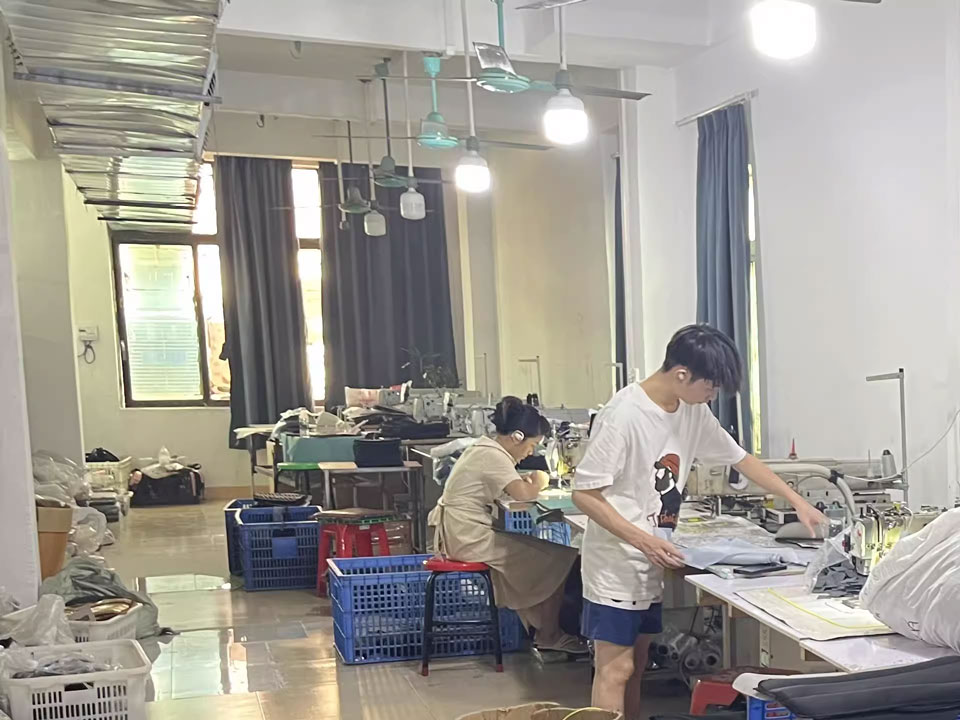
What "Fully Lined Interior" Actually Requires
When a tech pack specifies "fully lined interior with multiple pockets" but provides no additional detail, our pattern-making team needs answers to at least 15 structural questions10:
Lining material specifications:
- Same material as exterior, or different fabric for cost/weight reduction?
- Attached or floating lining construction?
- Reinforced or standard-weight lining fabric?
Pocket quantity and placement:
- How many pockets total, and on which interior walls?
- Pocket opening dimensions and depth measurements?
- Open-top pockets, zippered, or magnetic closure?
Compartment divisions:
- Single open interior, or divided sections with structural panels?
- Zippered divider, or fixed partition?
- Full-height division, or half-height organization pockets?
Internal hardware integration:
- Key clip attachment point location?
- Interior zippered pocket size and placement on which wall?
- Phone pocket dimensions to accommodate specific device sizes?
Without this documentation, we’re forced to halt pattern development and request detailed clarification—or make assumptions that rarely match your expectations.
I’ve seen projects stall for 2-3 weeks in the pattern development phase11 because clients approved exterior design sketches but hadn’t thought through internal organization requirements. When we sent standard "fully lined with two interior pockets" prototypes for review, clients responded with detailed revision requests for compartment layouts they’d assumed were standard but never documented.
The Cross-Section View Requirement
Exterior perspective drawings, no matter how detailed, cannot communicate:
- Wall thickness at seams – affecting bulk at stress points and overall bag capacity
- Reinforcement layer placement – determining where stabilizers, interfacing, or cardboard inserts go
- Compartment depth ratios – showing proportional sizing of divided sections
- Zipper installation angles – specifying whether zippers sit perpendicular, angled, or parallel to bag opening
This is why professional tech packs include cross-section technical drawings12 showing the bag sliced vertically and horizontally, revealing every internal layer from exterior material through interfacing, lining, and pocket placements.
-
"The Economic Impact of Technology Infrastructure for Additive …", https://nvlpubs.nist.gov/nistpubs/eab/NIST.EAB.3.pdf. Studies of manufacturing efficiency indicate that incomplete product specifications correlate with increased prototype iteration cycles and higher development costs, though specific cost multipliers vary by industry and product complexity. Evidence role: general_support; source type: research. Supports: that incomplete technical documentation increases manufacturing costs and requires iterative correction cycles. Scope note: Most research addresses manufacturing broadly rather than handbag production specifically. ↩
-
"Engineering tolerance", https://en.wikipedia.org/wiki/Engineering_tolerance. Manufacturing engineering principles define precision manufacturing as processes requiring explicit dimensional and material specifications to achieve repeatable outcomes within defined tolerance ranges. Evidence role: definition; source type: education. Supports: that manufacturing processes rely on precise specifications rather than interpretive judgment to ensure quality and consistency. ↩
-
"Stress concentration", https://en.wikipedia.org/wiki/Stress_concentration. Mechanical engineering principles describe stress concentration as the localization of stress near geometric discontinuities, a phenomenon that applies to textile products where seams and attachment points create structural variations that can lead to preferential failure under load. Evidence role: mechanism; source type: education. Supports: that geometric discontinuities such as seams create areas of elevated stress in materials under load. ↩
-
"Thickness of fabric that can be used on this machine", https://help.brother-usa.com/app/answers/detail/a_id/123750/~/thickness-of-fabric-that-can-be-used-on-this-machine. Industrial sewing machine documentation indicates that presser foot pressure, feed dog height, and needle selection must be adjusted according to material thickness to prevent feeding irregularities, stitch quality issues, and equipment damage. Evidence role: mechanism; source type: education. Supports: that industrial sewing equipment requires calibration parameters matched to material thickness for proper operation. ↩
-
"Walking foot", https://en.wikipedia.org/wiki/Walking_foot. Walking foot sewing machines, also known as compound feed machines, use an upper feed mechanism synchronized with lower feed dogs to handle thick or layered materials that standard drop-feed machines cannot process uniformly, making them standard equipment in leather goods and bag manufacturing. Evidence role: definition; source type: encyclopedia. Supports: that walking foot machines are a category of industrial sewing equipment. ↩
-
"The True Cost of Custom Sheet Metal Parts", https://jlccnc.com/blog/sheet-metal-cost. Material science literature documents that thicker materials generally command higher unit costs due to increased raw material consumption, though specific percentage increases depend on material type, supplier, and market conditions. Evidence role: statistic; source type: research. Supports: that material thickness significantly affects manufacturing costs. Scope note: The 20-40% range appears context-specific rather than universally applicable across all material categories. ↩
-
"10 Ways to Speed Up Custom Manufacturing Lead Times", https://www.factorem.co/knowledge-hub/10-ways-to-speed-up-custom-manufacturing-lead-times. Manufacturing process documentation for custom metal components indicates that tooling fabrication, sample production, and approval cycles collectively extend lead times compared to catalog items, with durations influenced by component complexity, tooling method, and supplier capacity. Evidence role: general_support; source type: research. Supports: that custom metal component production requiring new tooling involves substantial lead times. Scope note: Specific timeframes vary by manufacturing method, supplier capabilities, and order complexity rather than conforming to fixed standards. ↩
-
"YKK", https://en.wikipedia.org/wiki/YKK. YKK Group is a Japanese manufacturing organization and the largest zipper manufacturer globally, using numerical designations (e.g., #5) to indicate chain element width, with this sizing system widely adopted as a de facto industry standard. Evidence role: general_support; source type: other. Supports: that YKK is a major zipper manufacturer with standardized product classification systems. ↩
-
"What Does It Actually Cost To Build Hardware?", https://www.analogydesign.co/blog/hardware-product-development-cost. Industry procurement analyses indicate that hardware component costs span wide ranges depending on material composition (plastic vs. metal), manufacturing process (stamped vs. machined), and surface treatment (painted vs. plated), though specific multipliers fluctuate with commodity prices and supplier positioning. Evidence role: general_support; source type: research. Supports: that hardware component costs vary substantially based on material quality, finish, and manufacturing method. Scope note: The 300-500% range appears derived from specific component comparisons rather than comprehensive market analysis. ↩
-
"Pattern (sewing)", https://en.wikipedia.org/wiki/Pattern_(sewing). Pattern making methodology in apparel and accessories manufacturing involves systematic decision-making across material selection, construction method, dimensional specifications, and assembly sequence, with complexity increasing for multi-component products featuring internal structures. Evidence role: general_support; source type: education. Supports: that pattern development requires detailed specifications across multiple technical dimensions. Scope note: The specific count of 15 questions appears illustrative rather than derived from standardized process frameworks. ↩
-
"(PDF) A STUDY ON LEAD TIME MANAGEMENT IN GARMENTS …", https://www.academia.edu/145106488/A_STUDY_ON_LEAD_TIME_MANAGEMENT_IN_GARMENTS_INDUSTRY. Product development research indicates that iterative clarification processes between designers and manufacturers contribute to extended lead times, with delay duration dependent on communication efficiency, specification complexity, and decision-making authority. Evidence role: general_support; source type: research. Supports: that specification clarification cycles introduce delays in manufacturing timelines. Scope note: Specific delay durations vary widely based on organizational practices and product complexity rather than following universal patterns. ↩
-
"ENGINEERING DRAWING STANDARDS MANUAL – S3VI", https://s3vi.ndc.nasa.gov/ssri-kb/static/resources/NASA%20GSFC-X-673-64-1F.pdf. Engineering and product development documentation practices employ cross-sectional views as standard representations for conveying internal construction, material layering, and hidden structural elements that cannot be adequately communicated through exterior perspective drawings alone. Evidence role: general_support; source type: education. Supports: that technical documentation standards include cross-sectional views to communicate internal structure. ↩