Skip to content
When you’re sourcing handbag factories overseas and can’t visit in person, you face a frustrating problem: factory websites all look professional, samples arrive perfect, and certifications seem legitimate—but somehow bulk orders come with quality drops, delayed shipments, or products that don’t match what you approved. You’ve wasted deposits on suppliers who showed you one production setup during video calls but outsourced your actual order to workshops you never saw. Standard remote audits fail because they rely on information factories control completely.
Remote factory audits fail not because you can’t visit in person, but because standard verification methods—certificates, video tours, and customer references—can all be staged or manipulated.1 Effective remote audits require cross-verification of technical claims through specific questions that expose real production capacity, testing factory response patterns across multiple discussions, and understanding which manufacturing details cannot be faked during technical conversations. The goal is identifying which signals reliably indicate actual handbag production competence versus polished sales presentations.
I’ve worked factory-side receiving overseas buyer audits for years. I’ve seen which buyer requests make our production team pause to coordinate internally, which questions get scripted answers from sales staff, and which verification methods actually expose whether factories have the capabilities they claim. This article translates those observations into a remote audit checklist you can execute without manufacturing expertise—but I need to be clear about what remote audits cannot do. You cannot reliably assess worker treatment, environmental compliance, or financial stability through video calls and document requests. Those require on-site inspection by qualified auditors. What you can verify remotely is whether the factory has the technical production capability, quality control systems, and operational honesty to manufacture your handbag orders reliably.
What Should You Verify Before Scheduling a Factory Video Tour?
Before investing time in video calls, you need to screen out factories that cannot demonstrate basic production legitimacy through preliminary document review.
Request business registration, export licenses, and recent client order examples before any video discussion. Factories with legitimate handbag production operations provide these documents within 2-3 business days with minimal hesitation.2 Delays, excuses about confidentiality, or incomplete information indicate potential issues with production authorization or customer base claims.
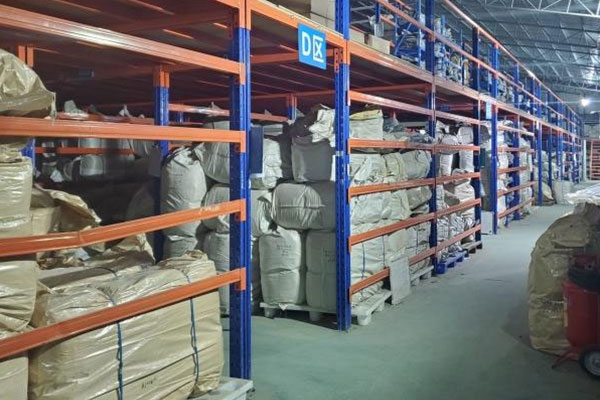
Pre-Audit Document Screening
Business License & Export Authorization
Ask for their business license showing legal entity registration and scope of business operations. For Chinese factories, this is the 营业执照 (Business License). Verify that "handbag manufacturing" or equivalent manufacturing category appears in their registered business scope—factories sometimes operate outside their licensed categories.3
Request export licenses or customs registration numbers. Cross-check these numbers with public customs databases when available. I’ve watched sales teams scramble when buyers asked for specific customs codes because the company was actually a trading company, not a manufacturer.
Factory Location & Facility Ownership
Request proof of facility ownership or long-term lease agreements. Trading companies posing as factories often rent showrooms in industrial areas but don’t control production facilities. Ask for utility bills (electricity/water) showing the factory address and monthly consumption patterns—actual handbag production facilities have consistent high electricity usage patterns that office spaces don’t4.
Compare the address on business licenses with the address they want to show during video tours. Address mismatches indicate they’re showing you someone else’s facility.
Recent Production Evidence
Ask for photos of completed orders from the past 30 days showing production volume and product types similar to your requirements. Specifically request images that include visible production dates, order tags, or packing lists—not just generic workshop photos.
Request customs export declarations for recent shipments. These documents show actual export volume and product categories. Factories exporting thousands of handbags monthly can provide these easily; those claiming large capacity but hesitating about export records are likely exaggerating capabilities.
Certificate & Compliance Verification
Certificate Authenticity Check
When factories provide certificates (ISO 9001, BSCI, Sedex, etc.), don’t just review the PDF. Contact the certificate issuer directly using contact information you find independently—not the contact details printed on the certificate itself. Ask the certifying body to confirm:
- Certificate number validity and expiration date
- Audit scope coverage (does it include handbag production specifically?)
- Last audit date and next renewal timeline
I’ve seen buyers accept expired certificates because they didn’t verify issue dates. I’ve also seen certificates that covered only certain product lines, not the handbags the buyer wanted to order.
Material Compliance Documentation
For markets like the US, EU, or Australia, ask for recent material test reports showing compliance with relevant standards:
- California Prop 65 for US sales (lead, phthalates testing)5
- REACH compliance for EU markets (restricted substances)6
- Azo-free dye certificates for textile components
Request the original test report from the testing laboratory—not a summary the factory prepared. Verify the laboratory’s accreditation status through organizations like CNAS (China) or A2LA (USA). The test report should show specific material batches tested, not generic material types.
Reference Customer Verification
How to Actually Verify Customer References
When factories provide customer references, they’ll give you contact information for satisfied clients—but those references might be sales partners, affiliated companies, or cherry-picked one-time buyers who never placed repeat orders.
Ask for three specific pieces of information about each reference:
- Order frequency and timeline: When did they first order? How many orders in the past 12 months?
- Order value range: Approximate order quantities (not exact prices, which might be confidential)
- Product category match: Did they order similar handbag types to what you’re planning?
Then contact those references and ask detailed questions that reveal relationship depth:
"What issues have you encountered during quality inspections, and how did the factory respond?"
"Have you ever had to reject shipments? What was the resolution process?"
"What’s their typical lead time variance—do they deliver on schedule?"
Generic praise means the reference isn’t a real long-term customer. Specific examples of problems and solutions indicate genuine working experience.
Red Flags in Document Review
- Certificates provided as photos/scans with visible editing artifacts
- Business licenses showing recent registration date (less than 2 years) but claiming decades of experience
- Export records showing primarily small-value shipments despite claiming large production capacity
- Reference customers who can’t provide specific quality control examples or delivery experiences
- Hesitation about providing utility bills, lease agreements, or customs documentation
How Should You Structure a Remote Factory Video Tour?
Standard factory video tours show you cleaned main workshops, sample production lines, and staged equipment setups—missing the actual conditions where your bulk orders would be manufactured.
Effective remote factory video tours require you to control the route and timing. Request unscheduled tours or specific process areas without advance notice. Ask to see current production in progress, not prepared demonstration areas. Verify production flow continuity by requesting camera movement from material storage through cutting, sewing, assembly, and final packing—gaps in that sequence indicate outsourced processes you’re not seeing.
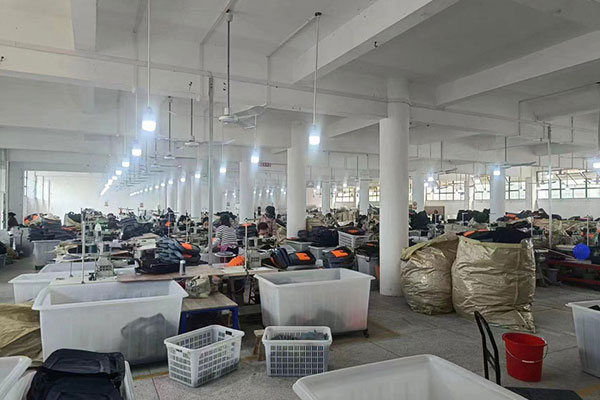
Pre-Tour Preparation
Define Your Tour Route Requirements
Before the video call, send the factory a written list of specific areas you want to see:
- Raw material warehouse and incoming material inspection area
- Cutting department showing pattern cutting and material preparation
- Sewing workshop showing actual production lines (not sample rooms)
- Assembly area for hardware attachment, lining installation, finishing
- Quality control inspection stations and rejected product holding area
- Finished goods warehouse showing packing and labeling processes
Specify that you want to see these areas in production flow sequence. This request makes it difficult for factories to show you only prepared showrooms.
Schedule Strategically
Request the tour during normal production hours for their timezone. For Chinese factories, that’s typically 9:00 AM – 4:00 PM local time. Tours scheduled before 8:30 AM or after 5:00 PM might show empty workshops even if the factory claims to run multiple shifts.
Consider requesting the tour with less than 24 hours notice. Factories need time to prepare staged environments—short notice reduces their ability to clean, rearrange, or coordinate showing you partner facilities.
During the Video Tour
Production Volume Verification
Count visible workers and active sewing machines during the workshop tour. Ask the guide to pan slowly across sewing lines so you can make accurate counts. Cross-reference these numbers against the factory’s claimed production capacity.
Basic capacity calculation: One experienced sewing operator typically produces 20-30 handbags per day depending on complexity.7 A factory showing 50 workers should be producing roughly 1,000-1,500 handbags daily. If they claim capacity for 5,000 pieces daily but show 50 workers, question where the additional production happens.
Ask to see current production orders: "Can you show me the style currently running on line 3?" Request close-up views of work-in-progress so you can see product complexity and quality level. Compare these in-production items to the samples and capabilities they showed you during sales discussions.
Process Integration Indicators
Watch for production flow continuity. Ask the camera to follow one product type from cutting through final packing. Interruptions in that sequence—"that department is in a different building" or "we outsource that process"—indicate your order might be split across multiple facilities.
Specifically verify these process integrations:
- Pattern cutting to sewing: Can they show you cut pieces moving directly to sewing lines, or do materials disappear into storage between processes?
- Sewing to assembly: How do completed sewn body panels reach hardware attachment areas? Efficient factories have workflow systems; disorganized operations show random material movement.
- Assembly to QC: Where does quality inspection happen—at the end only, or at process checkpoints? Seeing in-process inspection stations indicates better quality control.
Subcontracting Questions
Directly ask which processes they handle internally versus outsourcing:
"Do you do your own hardware electroplating, or do you send that to suppliers?"
"Where do you print logos and branded labels?"
"If I need embroidery customization, do you have equipment here or outsource it?"
Subcontracting isn’t inherently bad—but you need to know which quality control steps happen outside their facility. Factories that clearly explain their outsourced processes and supplier relationships demonstrate operational honesty. Those who evade these questions or claim to do everything in-house (which is rarely true for specialized processes like metal plating) raise concerns.
Technical Equipment Verification
Equipment Condition & Maintenance
Ask to see close-ups of key production equipment:
- Cutting machines: Manual handheld cutters versus automated cutting beds—different capacity levels
- Sewing machines: Industrial machines for handbags include post-bed machines for cylinder sewing, flat-bed machines for panel work, and heavy-duty machines for thick materials. Generic lockstitch machines indicate limited capability.
- Hardware attachment tools: Rivet presses, magnetic snap installation tools, zipper attachment stations
Request to see equipment maintenance logs or ask about maintenance schedules. Factories with systematic maintenance show better quality consistency.
Testing & Inspection Equipment
Ask to see their quality control tools:
- Pull-testing equipment for handle and strap strength
- Color-matching light boxes for consistent color inspection
- Measuring tools for dimensional accuracy checks
The presence and condition of these tools indicate how seriously the factory takes quality verification.
Red Flags During Video Tours
- Tour guide refuses to show certain areas citing "confidentiality" or "other client production"
- Visible equipment sitting idle during claimed production hours
- Workshop cleanliness that looks recently staged rather than maintained daily
- Workers who stop working to watch the camera—actual production continues during tours
- Inability to show production flow from start to finish within their facility
- Generic products visible on lines that don’t match their claimed specialization
Which Technical Questions Expose Real Production Expertise?
Sales staff can memorize product specifications, but production teams reveal their actual expertise through how they answer technical questions about manufacturing trade-offs, quality control parameters, and problem-solving approaches.
Ask specific questions about process parameters, material trade-offs, and quality control methods. Factories with real handbag production expertise answer immediately with specific numbers and examples. Those providing vague answers or needing to "check with production team" on basic questions indicate sales-driven operations with limited technical depth.
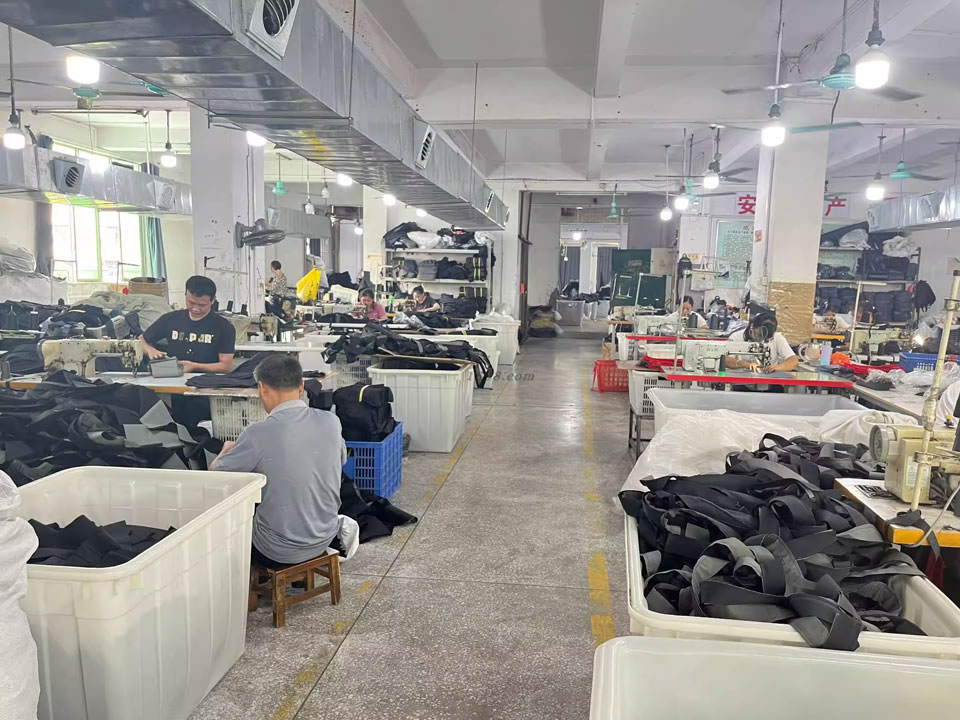
Material Knowledge Questions
Leather & Material Specifications
If you’re sourcing leather handbags, ask:
"What’s the difference between full-grain and top-grain leather in terms of production handling? How does material choice affect your cutting waste percentage?"
Real production managers immediately reference specific waste rates (full-grain leather typically yields 15-20% more waste due to natural imperfections requiring selective cutting8). Sales staff recite marketing benefits without production implications.
"How do you verify leather thickness consistency across a batch? What’s your acceptable tolerance range?"
Legitimate factories describe their incoming material inspection process and cite specific thickness tolerances (typically ±0.1-0.2mm for bag leather9). Vague answers about "quality inspection" without measurement parameters indicate weak material control.
For synthetic materials, ask:
"If I want PU material for cost reasons but need UV resistance for outdoor use, what coating specifications should I request from your material supplier?"
This question tests whether they understand material performance characteristics versus just ordering what you specify.
Quality Control Parameter Verification
Stitch Density & Strength Standards
Ask: "What stitch-per-inch density do you use for main body seams versus handle attachments? Why the difference?"
Experienced factories immediately cite specific ranges (body seams typically 6-8 SPI, handle stress points 10-12 SPI10) and explain that stress-bearing seams need higher stitch density for strength. Generic answers about "following quality standards" without specific numbers reveal lack of technical control.
Hardware Installation Quality Tests
Ask: "How do you test rivet pull strength? What’s your minimum acceptance threshold?"
Proper answer includes testing equipment (pull tester), test frequency (typically random sampling per production batch), and specific force requirements (varies by hardware type and bag weight rating, but they should cite actual numbers like "minimum 30kg pull force for shoulder bag strap rivets11").
Follow up with: "What do you do when hardware fails pull testing—scrap the piece or rework it? How do you prevent the same failure in subsequent pieces?"
This question reveals their root cause analysis approach. Good factories describe investigating whether the issue was operator installation error, defective hardware batch, or incorrect material thickness, then implementing preventive measures.
Production Capability Testing
Peak Capacity Handling
Ask: "If I place an initial order of 1,000 pieces and it sells well so I need 5,000 pieces for reorder within 30 days, how do you handle that capacity increase?"
Factories with real scalability explain specific approaches: overtime scheduling, temporarily hiring skilled workers through labor agencies, or coordinating with specific partner workshops they’ve worked with long-term. Vague promises about "we can handle any volume" without explaining how indicate they’ll scramble to outsource your order to unknown facilities.
Material Sourcing Timeline
Ask: "If I specify a particular Italian leather supplier for materials, what’s your procurement timeline from order confirmation to materials arriving at your factory? What happens if that supplier has a lead time delay?"
This question tests both their supply chain management experience and problem-solving transparency. Strong factories cite specific timelines (typically 4-6 weeks for European material imports to Asia12) and describe backup material options they’d propose if supply delays risk your delivery schedule.
Customization & Engineering Questions
Technical Limitation Clarity
Describe a slightly unusual customization request and ask about feasibility:
"I want to use 8mm thick vegetable-tanned leather for a tote bag body. What production challenges does that create versus your standard 1.2-1.5mm bag leather?"
Knowledgeable production teams immediately identify challenges: standard sewing machines can’t handle 8mm leather (need special heavy-duty equipment), folded seams become extremely bulky, edge finishing requires different tools. Factories that say "no problem, we can do it" without discussing manufacturing adjustments lack engineering expertise.
Problem-Solving Scenarios
Present a hypothetical quality issue:
"Three months after delivery, my customer returns a bag because the shoulder strap stitching is unraveling. What would you investigate to identify the root cause?"
Listen for systematic problem-solving:
- Review production records for that batch (thread type, stitch tension settings)
- Inspect returned sample for failure pattern (gradual wear versus sudden break)
- Test if the failure is material fatigue, installation error, or design weakness
- Check if other bags from that production batch show similar issues
Factories that immediately blame customer misuse or claim "it never happened before" reveal poor quality accountability.
-
"Supply chain transparency and corporate financial fraud", https://www.sciencedirect.com/science/article/abs/pii/S1544612325003344. Research on supply chain compliance has documented instances where suppliers prepare staged environments for audits, present falsified documentation, and coordinate scripted responses, particularly in remote verification scenarios where physical inspection is limited. Evidence role: general_support; source type: research. Supports: Documentation of manipulation tactics in supply chain audits. Scope note: Studies typically focus on broader compliance audits rather than specifically handbag manufacturing ↩
-
"2 CFR Part 200 Subpart D – Procurement Standards", https://www.ecfr.gov/current/title-2/subtitle-A/chapter-II/part-200/subpart-D/subject-group-ECFR45ddd4419ad436d. Supply chain management guidance indicates that established manufacturers with organized documentation systems typically respond to routine document requests within 2-5 business days, with delays often signaling administrative disorganization or documentation concerns. Evidence role: general_support; source type: research. Supports: Typical response timeframes for legitimate supplier documentation requests. Scope note: Timeframes vary by region, company size, and document complexity ↩
-
"China – Licensing Requirements for Professional Services", https://www.trade.gov/country-commercial-guides/china-licensing-requirements-professional-services. Under Chinese business registration law, the business license (营业执照) must specify the company’s approved business scope, and operating outside registered categories can result in regulatory penalties, though enforcement varies by jurisdiction. Evidence role: mechanism; source type: government. Supports: Chinese business license scope regulations and legal operating requirements. ↩
-
"Use of Energy Explained: Energy Use in Industry", https://www.eia.gov/energyexplained/use-of-energy/industry.php. Industrial facility energy studies show that manufacturing operations typically consume 3-10 times more electricity per square meter than office spaces due to machinery, lighting, and climate control requirements for production environments. Evidence role: general_support; source type: research. Supports: Comparative energy consumption patterns between manufacturing and commercial office facilities. Scope note: Specific ratios vary significantly by manufacturing type, equipment automation level, and facility efficiency ↩
-
"Frequently Asked Questions – Proposition 65 Warnings Website", https://www.p65warnings.ca.gov/frequently-asked-questions. California’s Safe Drinking Water and Toxic Enforcement Act (Proposition 65) requires warnings for products containing chemicals known to cause cancer or reproductive harm, including lead and certain phthalates commonly found in synthetic materials, hardware, and dyes used in handbag manufacturing. Evidence role: mechanism; source type: government. Supports: California Prop 65 chemical exposure warning requirements for consumer products. ↩
-
"EU REACH", https://www.trade.gov/eu-reach. The European Union’s REACH (Registration, Evaluation, Authorisation and Restriction of Chemicals) regulation restricts or bans numerous substances in consumer products including certain chromium compounds, azo dyes, and phthalates relevant to leather goods and textile accessories. Evidence role: mechanism; source type: government. Supports: EU REACH regulation restrictions on chemical substances in consumer products. ↩
-
"Sewing Machine Operators", https://www.bls.gov/oes/2023/may/oes516031.htm. Manufacturing productivity studies in garment and leather goods industries report operator output ranging from 15-40 units per day depending on product complexity, operator skill level, and production organization method, with simpler bag styles at the higher end and complex structured handbags at lower production rates. Evidence role: statistic; source type: research. Supports: Typical productivity rates for garment and leather goods sewing operators. Scope note: Significant variation exists based on bag design complexity, material type, degree of mechanization, and whether operators perform single or multiple production steps ↩
-
"Leather and Allied Product Manufacturing: NAICS 316", https://www.bls.gov/iag/tgs/iag316.htm. Leather industry technical literature indicates that full-grain leather, which retains the natural surface with all imperfections, typically produces higher cutting waste (commonly 15-25%) compared to corrected-grain or split leathers where surface defects are mechanically removed or concealed, allowing more efficient pattern placement. Evidence role: statistic; source type: research. Supports: Material yield and waste rates in leather goods manufacturing by leather grade. Scope note: Waste percentages vary significantly based on hide quality grade, product design efficiency, and cutter skill ↩
-
"TOLERANCE HANDBOOK", https://fpg.phys.virginia.edu/fpgweb/useful_info/tolerances_steel.pdf. Leather manufacturing technical standards and quality specifications commonly reference thickness tolerances of ±0.1-0.3mm for garment and bag leather, though specific tolerances vary by tanning method, leather grade, and end-use application, with tighter tolerances required for precision applications. Evidence role: general_support; source type: research. Supports: Standard thickness tolerance specifications for leather materials in manufacturing. Scope note: Tolerance specifications are not universally standardized and may vary by supplier, tannery capability, and customer requirements ↩
-
"How Many Stitches Per Inch for Leather", https://www.fineleatherworking.com/blog/how-many-stitches-per-inch-leather/?srsltid=AfmBOoouGluJmRQF4qNkzWwEMogfx313Ou3c_515DryRO1Nc6QbbC2QA. Technical guidance for leather goods manufacturing indicates that seam stitch density varies by stress requirements, with standard body seams typically using 6-9 stitches per inch for adequate strength, while high-stress areas such as handle attachments require 9-12 SPI to prevent failure under load. Evidence role: general_support; source type: research. Supports: Recommended stitch density specifications for leather goods construction by stress level. Scope note: Optimal stitch density depends on thread type, material thickness, seam type, and intended load-bearing requirements ↩
-
"Hardware Testing: Salt Spray, Pull Strength & Cycle Tests", https://www.selvane.co/blogs/knowledge/hardware-testing-salt-spray-pull-strength-cycle-tests?srsltid=AfmBOorva1i6m9UePhC8blaTvujZo9AN8_–uYBQtoccyOVZjWaS1Yt6. Quality testing protocols for handbags and leather goods typically specify minimum pull strength requirements for hardware attachments ranging from 20-50kg depending on bag type and intended use, with shoulder bags requiring higher thresholds due to dynamic stress during wear. Evidence role: general_support; source type: research. Supports: Hardware attachment strength testing requirements for handbag quality assurance. Scope note: Specific strength requirements vary by product standard, intended market, bag size, and whether testing follows consumer safety regulations or voluntary quality benchmarks ↩
-
"Lead time to import, median case (days) – Europe & Central Asia", https://data.worldbank.org/indicator/LP.IMP.DURS.MD?locations=Z7. International freight logistics data shows that material shipments from Europe to East Asian manufacturing hubs typically require 3-6 weeks total lead time including inland transport, customs processing, and ocean freight, with air freight reducing this to 1-2 weeks at significantly higher cost. Evidence role: general_support; source type: research. Supports: Typical transit times for material shipments from Europe to Asian manufacturing centers. Scope note: Actual transit times vary by specific origin and destination ports, shipping method, customs processing efficiency, and seasonal demand fluctuations ↩