Skip to content
I’ve spent the last decade fielding the same question from brand founders, e-commerce sellers, and retail buyers: "Which material should I use for my bags?" They’re stuck with a supplier quote or half-finished design, and everyone’s giving conflicting advice. The real problem? They’re asking the wrong question. Material isn’t the starting point—it’s the output of decisions you haven’t made yet about your customer, your price ceiling, and what kind of complaints you’re willing to handle.
There is no "best" handbag material—only the right material for your specific use case, target customer expectations, budget constraints, and order volume. The material that works brilliantly for structured totes will fail catastrophically in soft crossbody bags. Your job isn’t to pick the "highest quality" option; it’s to match material properties to the actual stress your bag will face in the real world.
Here’s what nobody tells you: the buyers who cause themselves the most headaches are the ones who finalize materials before finalizing design. They pick "premium PU" because it sounds good, then discover their supplier can’t produce the structured silhouette they wanted. Or they commit to genuine leather without understanding that their $15 wholesale price point makes quality control nearly impossible at their order volume.
Let me walk you through how to actually make this decision—not by memorizing material properties, but by asking the right questions about what you’re really trying to build.
Which Material is Best for Bags?
The first call I get from new buyers usually goes like this: "I want to launch a handbag line. Should I use leather or PU?" My response frustrates them because I immediately ask: What kind of bag? Who’s buying it? What’s your retail price? How many units is your first order?
The best material for bags is the one that matches your design constraints, manufacturing budget, and customer use patterns. This means evaluating materials as a system—not in isolation—considering how material choice affects structure, hardware compatibility, production difficulty, and expected defect rates.
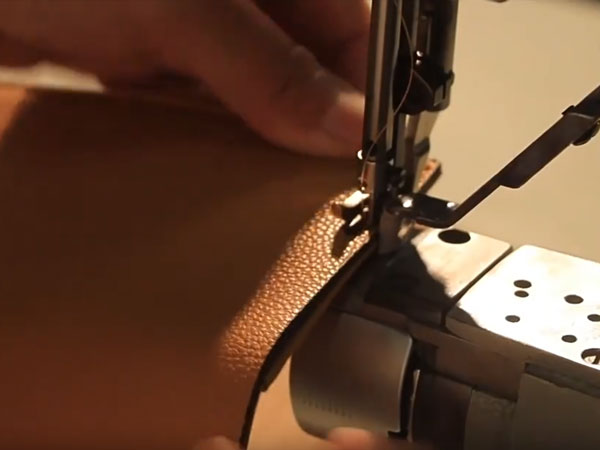
Here’s the framework I use when buyers send me their design sketches. First, I look at the bag’s structural requirements. Is this a soft, unstructured hobo bag or a rigid briefcase? Different materials handle structural stress completely differently. PU leather works beautifully for bags that need stiff panels and sharp edges1. Genuine leather, especially softer grades, fights you when you try to maintain geometric precision.
Second, I evaluate the customer’s actual use scenario. A commuter backpack faces abrasion, rain, and daily zippers. An evening clutch gets handled gently for three hours then sits in a closet. Using the same material for both is like using racing tires on a delivery truck—technically possible, completely stupid.
Third, I calculate production risk at their order volume. Here’s what buyers miss: at 500 units, you can afford hand-selection of leather hides and careful quality control. At 5,000 units, you need materials that maintain consistency across bulk production runs2. The "best" material at low volume becomes a production nightmare at scale.
The buyers who succeed are the ones who say: "I’m designing a structured tote for professional women, retail price $80-120, first order 1,000 units, sold online so returns need to stay under 3%." Now I can recommend materials. The ones who just ask "leather or PU?" are setting themselves up for problems.
Understanding Material Categories
Materials fall into three manufacturing categories—not quality tiers. Natural materials (genuine leather, canvas, cotton) require different production workflows than synthetic materials (PU, nylon, polyester) or hybrid constructions (bonded leather, coated canvas).
This matters because your material choice locks in your supplier options. Not every factory handles every material category. If you commit to top-grain leather before confirming your supplier can source and work with it reliably, you’ve just created a production bottleneck.
Natural materials show variation—leather hides have scars and color inconsistency, canvas has texture differences. Synthetic materials offer uniformity but have different failure modes. Neither is "better." They’re different tools for different jobs.
The Real Decision Variables
When I’m helping buyers choose materials, we’re really solving for five constraints simultaneously: intended use stress, target customer quality expectations, budget ceiling, minimum order quantity, and acceptable return rate.
A yoga mat bag needs water resistance and easy cleaning—synthetic wins. A luxury designer handbag needs tactile appeal and status signaling—genuine leather wins. A promotional tote for a corporate event needs low cost and acceptable appearance for six months—basic canvas wins.
Buyers who ignore use stress always regret it. I’ve seen gorgeous PU clutches where the coating cracked after three months of daily use because the buyer didn’t realize their customer was using an "evening bag" as a daily wallet. The material wasn’t defective—it was wrong for the application.
What’s the Most Durable Purse Material?
Every week someone asks me: "What’s the most durable material you offer?" I know what they’re actually asking: "What won’t generate customer complaints?" But those are different questions with different answers.
Material durability isn’t a single property—it’s how well a material resists the specific types of stress your customer will apply. Nylon is incredibly durable against abrasion but terrible against sharp objects3. Genuine leather handles scratches well but suffers from water exposure. "Most durable" depends entirely on what kind of damage you’re protecting against.
I once worked with a buyer launching canvas tote bags for grocery shopping. She was worried canvas wasn’t "durable enough" and wanted to upgrade to coated polyester. I asked her: what stress are grocery shoppers applying? Weight bearing, frequent washing, occasional spills. Canvas excels at all three. The polyester would have been less durable for her actual use case because customers would notice coating cracks before they’d wear through canvas weave.
The durability question forces buyers to define their threat model. Are you worried about: surface scratches, structural breakdown, color fading, hardware failure, stitching separation, or material coating deterioration? Each has a different material solution.
Common Durability Misconceptions
Buyers consistently overestimate the importance of scratch resistance and underestimate the importance of structural fatigue4. They see a surface scratch on a sample and panic, but they don’t notice that the material doesn’t recover its shape after stress—which is what causes bags to look worn after six months.
Another trap: assuming "thicker equals stronger." I’ve seen buyers spec 2.0mm PU instead of 1.2mm because it "feels more substantial." Then they discover the thicker material is too stiff for their design, causes stitching problems, and actually wears faster at flex points because it can’t absorb stress.
The most durable materials for bags are usually mid-grade options that balance multiple stress types. Top-tier materials often optimize for one property (like appearance) at the expense of others (like flexibility or repairability).
Matching Durability to Customer Expectations
Here’s what actually matters: your material needs to survive your customer’s use pattern for longer than their expectations. A $30 festival bag that lasts 18 months is durable. A $300 work tote that shows wear after 18 months is a durability failure.
I help buyers map this by asking: what’s your warranty period, and what percentage of returns can you absorb? If you’re offering a 1-year warranty and can handle 2% returns, we need materials that have a 95%+ survival rate at 18 months under expected use. That’s a completely different spec than "most durable material."
The buyers who get this right are the ones who define durability as "fit for customer use duration" rather than "maximum theoretical strength."
Which Bag Material Lasts the Longest?
This question reveals a fundamental confusion between lifespan and serviceability. I’ve seen handmade canvas bags from the 1970s that still function perfectly. I’ve also seen "premium leather" bags that look terrible after one year. Longevity isn’t just material—it’s construction quality, maintenance requirements, and how gracefully the material ages.
Material longevity depends on four factors: inherent material stability, construction quality, maintenance accessibility, and aesthetic aging patterns. The materials that "last longest" are often not the ones that look best longest—and for most buyers, appearance deterioration matters more than structural failure.
I worked with a luxury brand founder who insisted on vegetable-tanned leather because "it lasts forever." True—but it also darkens dramatically, shows every water spot, and requires regular conditioning. Her customers returned bags after three months because they looked "damaged." The leather was developing a patina her customers interpreted as defects. The material lasted; the customer relationship didn’t.
This is the gap between technical longevity and market longevity. Some materials last decades but require customer education and maintenance commitment. Others last shorter periods but maintain appearance without effort. Neither is "wrong"—they serve different customer relationships.
Materials That Age Well vs. Materials That Age Long
High-quality waxed canvas ages beautifully—customers see patina as character. Mid-grade PU leather ages poorly—customers see coating cracks as defects. Both might last five years structurally, but only one maintains customer satisfaction.
When buyers ask about longevity, I redirect to: how do you want your bags to look after one year of use? Some materials develop character (raw leather, canvas, brass hardware). Others maintain consistent appearance (treated nylon, stable PU, stainless steel). Your customer determines which aging pattern is acceptable.
I’ve noticed buyers consistently underestimate maintenance requirements. They spec gorgeous aniline leather without explaining to customers that it needs conditioning and shows water spots. Six months later they’re handling complaints from customers who expected "leather" to be maintenance-free like their last PU bag.
The Replacement Cycle Reality
Most customers replace bags not because they failed structurally, but because they look tired or went out of style5. For fashion bags, "lasts longest" is irrelevant if design trends shift every 18 months. For functional bags, longevity matters more—but you’re competing with customers’ willingness to use the same bag for years.
I ask buyers: what’s your target replacement cycle? If you’re selling fast fashion accessories, optimizing for 10-year lifespan is wasteful. If you’re selling heritage work bags, anything under 5 years is a brand problem. Match material longevity to business model, not to abstract "quality" ideals.
What’s the Best Material for Handbag Lining?
Buyers treat lining material as an afterthought, then wonder why they get returns for "cheap feeling" bags. The lining is what your customer touches every time they reach into their bag6. It’s the difference between "this feels premium" and "this feels like it cost $12."
The best handbag lining material balances three requirements: tactile quality, durability against abrasion and oils from hands, and manufacturing compatibility with your exterior material. Lining isn’t decorative—it’s structural reinforcement that prevents exterior material stress and maintains bag shape.
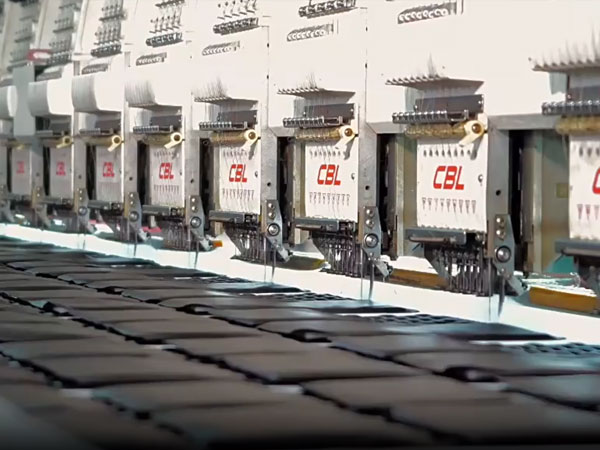
I see buyers make the same mistake: they spend weeks choosing exterior materials, then ask the factory to "use standard lining." Standard lining is usually polyester taffeta—which is fine for some applications and completely wrong for others.
Here’s what drives lining selection. First, abrasion resistance. Your customer’s hands, phone, keys, and wallet are constantly scraping the lining. Cheap polyester pills and snags within months7. Cotton feels premium but shows dirt easily. Synthetic blends can offer both durability and appearance.
Second, weight compatibility. Heavy exterior materials (like thick leather) need substantial lining that won’t tear at stress points. Light exteriors (like nylon) need light lining that won’t add unnecessary bulk. Mismatched weights cause bags to deform and fail at seams.
Third, construction requirements. Some linings are easier to work with than others. Slippery satins move during sewing and create quality control problems. Textured materials hide stitching imperfections but cost more to source. Your factory’s capabilities matter here.
Common Lining Material Options
Polyester taffeta remains standard for mid-range bags because it’s inexpensive, durable, and available in many colors. The downsides: it feels obviously synthetic and can look cheap against premium exteriors.
Cotton canvas lining signals quality and feels substantial, but it’s heavier and shows stains. I recommend it for bags where customers will actually clean the interior (like diaper bags or lunch totes). For bags that rarely get emptied completely, the stain visibility becomes a problem.
Synthetic suede (microfiber) is my go-to recommendation for premium bags. It feels luxurious, resists pilling, and hides minor dirt. The cost premium is significant—but it’s the difference between a bag that feels expensive and one that doesn’t.
Lining Color Strategy
Buyers consistently underestimate how lining color affects customer perception. Light linings (cream, beige, light gray) look premium but show every mark. Dark linings (black, navy) hide dirt but can make it hard to find items in the bag8.
I usually recommend patterned linings for bags targeting women’s fashion markets. Small prints hide wear while adding personality. Solid linings work better for professional or men’s bags where visual simplicity matters.
The buyers who get returns for "cheap feeling" bags are usually using mismatched lining—either too flimsy for the exterior material or wrong color for the price point. This is an easy fix that most overlook.
Which Handbag Material is Best for Women?
This question frustrates me because it assumes women form a single market segment with unified material preferences. A 25-year-old fashion blogger, a 45-year-old executive, and a 65-year-old retiree have completely different material expectations9—even when buying the same bag style.
The best handbag materials for women’s bags depend on the specific customer segment’s lifestyle requirements, aesthetic preferences, and quality expectations at your price point. Fashion-forward buyers prioritize appearance and trend alignment; practical buyers prioritize functionality and maintenance ease; premium buyers expect both plus brand signaling.
I worked with an e-commerce seller targeting professional women ages 35-50. She wanted vegan leather because "women care about ethics." I asked: does your customer prioritize ethics over functionality? After customer interviews, she discovered her segment wanted water resistance, structure, and low maintenance more than material ethics. We went with treated nylon—and sales doubled because the bags actually solved customer problems.
The mistake is assuming gender determines material preferences. What actually determines preferences: daily activities, aesthetic identity, maintenance willingness, and budget.
Segmenting Women’s Bag Markets
Fashion buyers want materials that photograph well and align with current trends. Right now that means soft, slouchy materials—plush PU, distressed leather, suede-effect synthetics. Five years ago structured materials dominated. Material preferences follow fashion cycles, not gender.
Functional buyers want materials that tolerate abuse. Mothers with young children prefer wipeable surfaces. Commuters need water resistance. Gym-goers want lightweight materials. These buyers will choose canvas or treated nylon over leather if it better matches their lifestyle stress.
Premium buyers want materials that signal value—usually genuine leather or high-end synthetics that feel indistinguishable from leather. They’re also buying brand, so material choice must align with brand positioning. A $400 bag in PU leather needs exceptional construction and finish to justify premium pricing.
Common Women’s Market Pitfalls
Buyers consistently overestimate how much women prioritize "premium materials" over solving practical problems. I’ve seen leather bags fail while synthetic competitors succeeded—because the synthetics had better organizational features, weighed less, and didn’t require maintenance.
Another trap: assuming all women want lightweight bags. Professional women often prefer substantial bags because weight signals quality and provides structure for organizing laptops and documents10. Fashion buyers might prefer lightweight materials. Segment matters more than gender.
The buyers who succeed in women’s markets are the ones who interview actual customers about use patterns before selecting materials, rather than making assumptions based on gender stereotypes.
What’s the Best Material for a Man’s Bag?
Men’s bag buyers make the opposite mistake from women’s bag buyers—they assume men only care about durability and function, ignoring that male customers also make aesthetic and status-signaling decisions.
The best materials for men’s bags balance visible durability signals, low-maintenance functionality, and understated status indication. Men’s bag customers prioritize materials that look professional, age gracefully without requiring maintenance, and signal quality through subtle details rather than obvious branding.
I helped a buyer launch men’s messenger bags. He specified black nylon because "men want practical bags." Sales were slow. We added a full-grain leather option at 40% higher price—and it outsold the nylon 3:1. Men weren’t avoiding premium materials; they were avoiding bags that looked too casual for professional settings.
Here’s what drives material selection for men’s bags: professional context compatibility, visible wear resistance, and maintenance requirements. Men will pay more for materials that require less care and maintain appearance longer.
-
"(PDF) Classification of Synthetic Polyurethane Leather by …", https://www.academia.edu/40502809/Classification_of_Synthetic_Polyurethane_Leather_by_Mechanical_Properties_according_to_Consumers_Preference_for_Fashion_Items. Polyurethane coatings can be formulated to provide rigidity and dimensional stability, making them suitable for structured applications requiring stiff panels. Evidence role: mechanism; source type: research. Supports: the structural properties of polyurethane that enable stiffness and shape retention. Scope note: This describes general PU properties rather than specific handbag manufacturing outcomes. ↩
-
"Efficient production – the art of batch size optimization", https://www.valantic.com/en/blog/efficient-production-batch-size-optimization/. Manufacturing literature indicates that quality control approaches must adapt to production scale, with manual inspection becoming economically impractical at higher volumes. Evidence role: general_support; source type: research. Supports: the relationship between production volume and quality control methodology in manufacturing. Scope note: This addresses general manufacturing principles rather than leather goods specifically. ↩
-
"Enhancing Nylon 66 Puncture Resistance in Protective Clothing", https://eureka.patsnap.com/report-enhancing-nylon-66-puncture-resistance-in-protective-clothing. Nylon exhibits high tensile strength and abrasion resistance due to its molecular structure, though its resistance to puncture and tearing depends on fabric construction and fiber denier. Evidence role: mechanism; source type: research. Supports: the mechanical properties of nylon fibers including abrasion and tear resistance. ↩
-
"Package design as a branding tool in the cosmetic industry", https://pmc.ncbi.nlm.nih.gov/articles/PMC9123395/. Consumer research suggests that visible surface defects often influence quality perception more strongly than functional degradation, as cosmetic damage is immediately apparent while structural issues emerge gradually. Evidence role: general_support; source type: research. Supports: consumer perception patterns regarding product quality and damage types. Scope note: This describes general consumer behavior rather than handbag-specific purchasing patterns. ↩
-
"The Factors Affecting Purchasing Behavior toward Fashion …", https://www.academia.edu/103951990/The_Factors_Affecting_Purchasing_Behavior_toward_Fashion_Accessories_in_Online_Platforms_an_Integrative_Research_Model. Consumer research on fashion goods indicates that aesthetic obsolescence and style changes often drive replacement decisions before functional failure occurs, particularly for visible accessories. Evidence role: general_support; source type: research. Supports: consumer replacement patterns for fashion accessories and durable goods. Scope note: This addresses general fashion consumer behavior rather than handbag-specific data. ↩
-
"Seeing as Feeling? The Impact of Tactile Compensation Videos on …", https://pmc.ncbi.nlm.nih.gov/articles/PMC10813092/. Research on haptic perception indicates that tactile interactions with product surfaces significantly influence quality judgments and user satisfaction, particularly for frequently touched components. Evidence role: general_support; source type: research. Supports: the role of tactile experience in product quality perception. Scope note: This describes general haptic research rather than handbag-specific studies. ↩
-
"What Is Pilling? | How to Stop Fabrics From Pilling", https://www.swavelle.com/in-the-news/what-is-pilling/. Pilling in polyester fabrics occurs when fiber ends work to the surface through abrasion and become entangled, with lower-quality polyester being more susceptible due to shorter fiber length and weaker yarn construction. Evidence role: mechanism; source type: research. Supports: the mechanisms of pilling and snagging in polyester fabrics. ↩
-
"Human Factors Design Guidelines for Advanced Traveler …", https://www.fhwa.dot.gov/publications/research/safety/98057/ch03a.cfm. Color science indicates that lighter surfaces provide higher contrast with most stains and contaminants, making marks more visible, while darker surfaces reduce contrast with objects, potentially decreasing visibility in low-light conditions. Evidence role: mechanism; source type: research. Supports: the relationship between surface color, stain visibility, and object detection. ↩
-
"Understanding Your Customers: How Demographics and …", https://extension.psu.edu/understanding-your-customers-how-demographics-and-psychographics-can-help. Marketing research demonstrates that consumer preferences for product attributes, including materials, vary significantly across demographic segments due to differences in lifestyle, values, and usage patterns. Evidence role: general_support; source type: research. Supports: demographic variation in product preferences and material expectations. Scope note: This addresses general market segmentation principles rather than handbag-specific research. ↩
-
"Influence of Customer Quality Perception on the Effectiveness …", https://pmc.ncbi.nlm.nih.gov/articles/PMC4789549/. Consumer psychology research has identified weight as a quality cue, with heavier products often perceived as more substantial and higher quality, though this heuristic varies by product category and consumer expectations. Evidence role: general_support; source type: research. Supports: the relationship between product weight and quality perception. Scope note: This describes general weight-quality associations rather than professional women’s bag preferences specifically. ↩